7 Tips for Successful Landscape Supply Shopping
A successful outdoor project often starts long before the first bag, yard, or pallet is ordered. Landscaping supply shopping goes more smoothly when you know what the project needs, how much material the space can handle, and which products fit the goal without creating extra waste or unnecessary costs. Whether you are freshening up planting beds, improving drainage, or building a hardscape area, a little preparation can make the entire process more efficient.
For homeowners and contractors alike, the best shopping decisions usually come from matching the material to the purpose instead of buying based on appearance alone. Hardscrabble Supply serves customers who need practical, high-quality landscaping and masonry materials, so a smart approach to shopping can help you leave with products that support the work you are actually planning to do.
1. Start With a Clear Project Goal
Before comparing landscaping supply products, define what the project is supposed to accomplish. A lawn repair project calls for different materials than a garden bed refresh, a drainage correction, or a new walkway base. When the goal is clear from the start, it becomes easier to focus on the right category of materials, whether that means topsoil, mulch, gravel, sand, grass seed, drainage materials, or masonry supplies.
A clear plan also helps prevent overbuying or bringing home products that solve the wrong problem. For example, decorative gravel and base material do not serve the same function, and screened topsoil is not interchangeable with fill in every situation. Taking a few minutes to outline the purpose, square footage, and surface conditions of the space can save time, money, and frustration once shopping begins.
2. Measure the Area Before You Buy
One of the most common shopping mistakes is estimating by sight instead of working from real dimensions. Even a simple rectangular area can look smaller or larger than it actually is, which can lead to buying too little material and interrupting the project halfway through. Measuring length, width, and planned depth gives you a far more dependable starting point, especially when ordering products sold by the yard.
Depth matters just as much as square footage because coverage changes quickly when material is spread thicker. According to LawnStarter, one cubic yard of mulch covers 162 square feet at a depth of 2 inches and 108 square feet at a depth of 3 inches. That kind of spacing difference can have a major effect on how much mulch you need, so accurate measurements and realistic depth planning should come before checkout, not after.
3. Match the Material to the Job
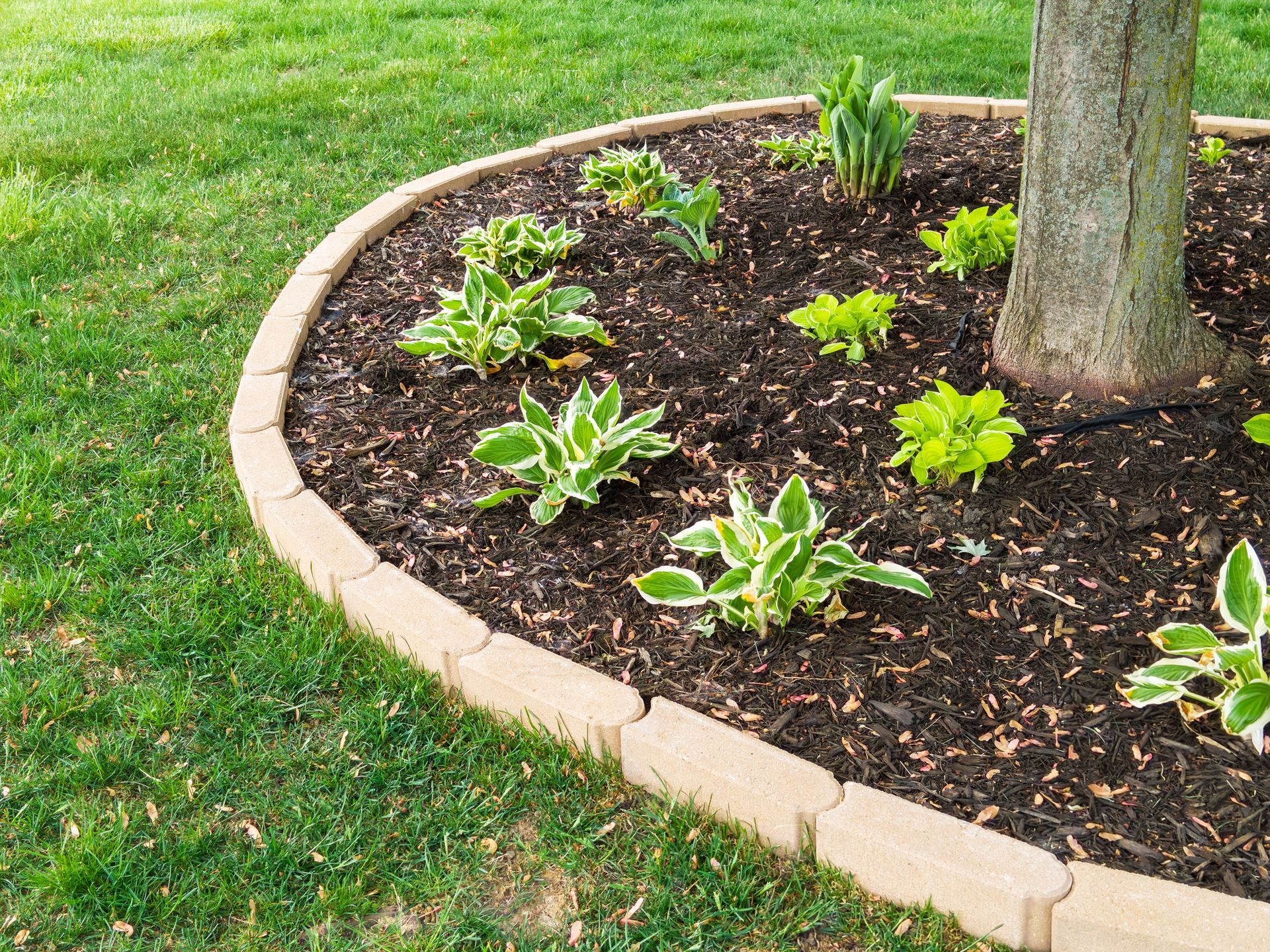
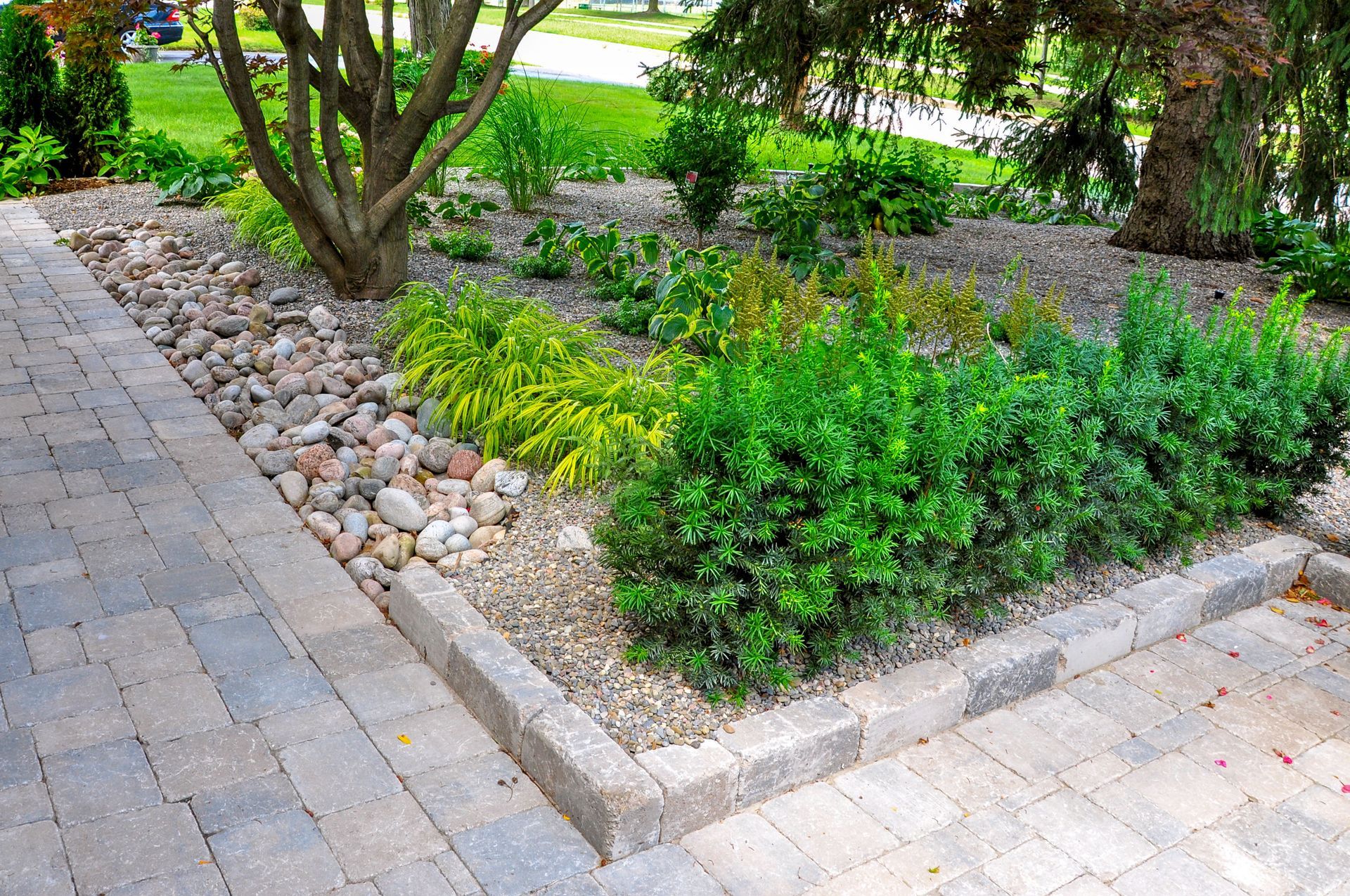
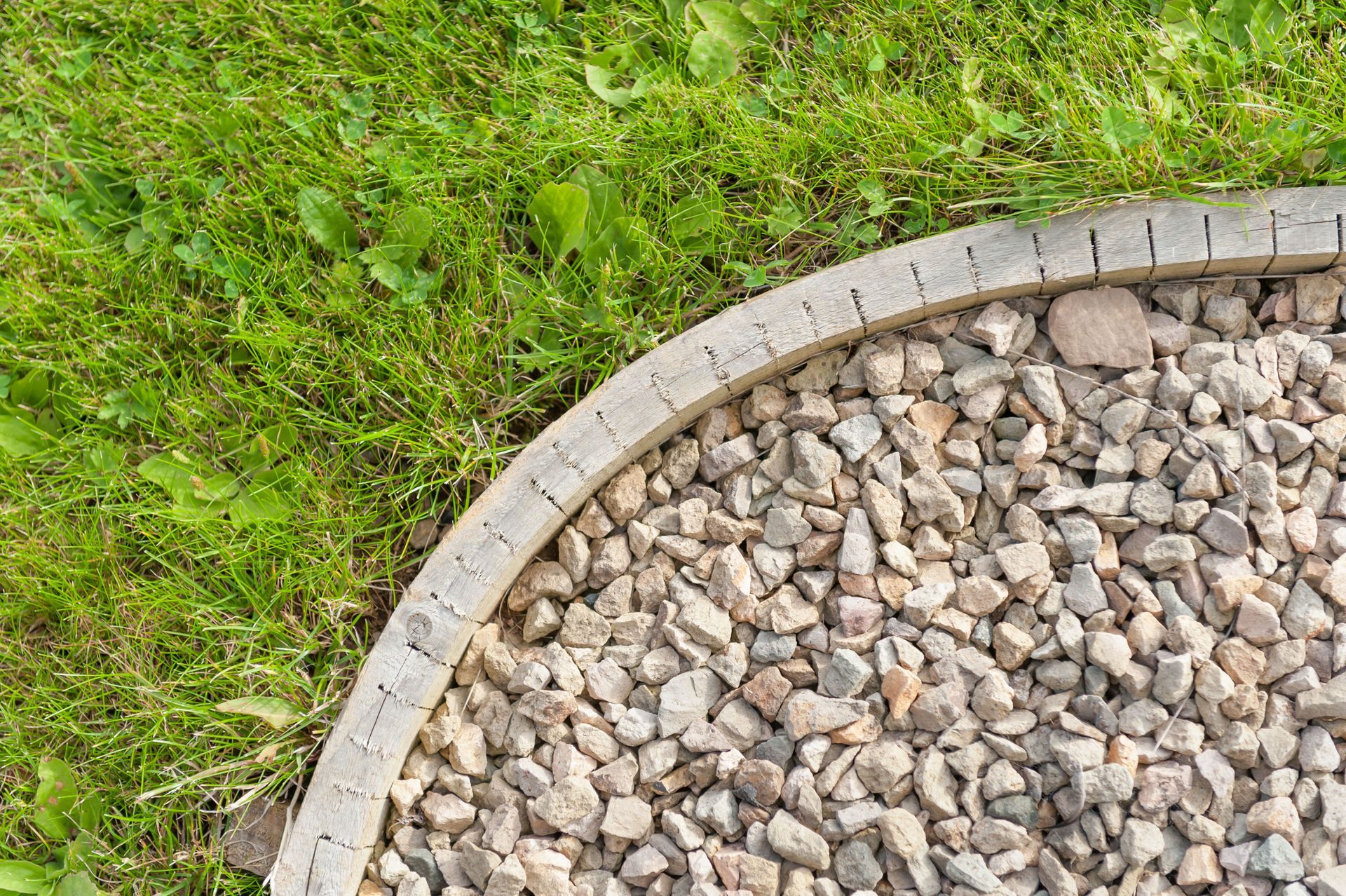
Landscape products are not one-size-fits-all, and choosing the right one can improve both appearance and long-term performance. Topsoil can support planting projects, mulch can help with moisture retention and bed definition, gravel can create stable surfaces, and sand can help with leveling or base preparation for certain applications. When each material is used for the kind of project it is intended for, the finished result is usually easier to maintain and more likely to hold up well.
The same principle applies when the project involves grass seed, drainage materials, or masonry products. Different sites can have different sunlight conditions, soil issues, traffic levels, or water flow concerns, so material selection should reflect the demands of the space instead of a generic shopping list. When you know the job each product is meant to do, you can shop more confidently and avoid making substitutions that create problems later.
4. Think About Delivery, Access, and Timing
The best materials in the world do not help much if they arrive at the wrong time or cannot be placed where the project needs them. Bulk orders, heavy materials, and larger jobs often require a plan for delivery access, staging space, and unloading conditions. Narrow driveways, soft ground, parked vehicles, and tight work areas can all affect how easily materials can be dropped off and used once they reach the property.
Timing matters for smaller jobs as well. If you are ordering topsoil, mulch, gravel, or sand, it helps to think about when the crew, contractor, or homeowner will actually be ready to spread or place the material. Scheduling too early can leave products sitting longer than expected, while waiting too long can delay the job entirely. A smoother project usually comes from treating landscaping supply timing as part of the plan rather than as an afterthought.
5. Ask Practical Questions
Landscaping supply shopping becomes easier when you ask direct questions about the materials you are considering. That can include asking which product works best for a specific use, whether a material is sold in smaller or bulk quantities, how coverage is usually calculated, or what delivery options are available for your location. Clear answers can narrow the choices quickly and help you avoid buying materials that do not fit the project.
This step is especially useful for projects that involve multiple components, such as seed, topsoil, erosion control products, gravel, or drainage materials. Even when a project sounds straightforward, site conditions can change what makes the most sense to purchase. Getting advice before you load the truck or place the landscaping supply order can help you build a more complete materials list and reduce the chance of needing a second trip for something that could have been planned from the start.
6. Keep Waste and Cleanup in Mind
Shopping well is not only about what goes onto the property. It is also about thinking ahead to leftover material, removed debris, and how the project area will be handled once work is underway. Planning for cleanup can make a major difference when you are replacing old material, clearing landscape debris, or refreshing parts of the yard that already contain organic matter that needs to be removed before new products are added.
That is one reason it helps to think beyond the purchase itself and consider the full material cycle of the job. If your project involves clearing leaves, grass clippings, branches, soil, or similar debris, it can be useful to account for disposal or recycling needs before work starts. A cleaner plan at the beginning often makes the shopping process more efficient because you are considering what must leave the site, along with what needs to arrive.
7. Use a Budget That Balances Scope and Quality
A realistic landscaping supply budget helps you make sharper decisions when comparing quantities and materials. Instead of buying the least expensive option in every category, it is often better to decide which parts of the project need durability, appearance, coverage, or performance most. That approach can help you prioritize where to spend more confidently while still keeping the overall project within reach.
Budgeting also becomes easier when you separate must-have materials from nice-to-have additions. Grass seed, topsoil, gravel, mulch, drainage products, sand, and masonry materials all serve different purposes, so the best value comes from buying what the project truly requires rather than adding products that do not support the final outcome. A focused budget keeps the shopping process organized and makes it easier to leave with materials that match both the plan and the property.
When landscaping supply shopping is approached with measurements, purpose, timing, and material fit in mind, the entire project tends to run more smoothly. Hardscrabble Supply provides materials for homeowners and contractors who need dependable options such as mulch, topsoil, gravel, sand, grass seed, drainage materials, and masonry supplies, along with delivery options and practical guidance. To learn more about what we provide, get in touch with our expert team today!





Share On: