
6 Advantages of Using High-Quality Landscaping Materials
In the world of landscaping, the choice of materials can significantly influence both visual appeal and long-term performance. Selecting landscaping materials that are built for durability and design integrity helps create outdoor spaces that remain functional and attractive for years. This decision goes beyond surface appearance and speaks to planning, resilience, and overall property enhancement. While higher-grade options may involve greater upfront costs, they often deliver stronger long-term value through reduced maintenance and extended lifespan. Understanding how material quality shapes landscaping outcomes allows property owners to align short-term goals with lasting results while creating outdoor environments that feel intentional and well designed.
1. Durability and Structural Performance
Durability is one of the most compelling reasons to invest in premium solutions for outdoor projects. High-quality landscaping materials are engineered to withstand temperature extremes, heavy rainfall, and seasonal freeze-thaw cycles without compromising their structural integrity. Stone, composite products, and treated wood resist cracking, warping, and erosion far better than lower-grade alternatives. Over time, this resilience reduces the need for repairs and replacements, preserving both function and appearance across changing seasons.
Another important advantage of durability is the reduction in ongoing maintenance. When materials resist wear, fading, and moisture absorption, routine upkeep becomes less frequent and less costly. Property owners benefit from outdoor spaces that maintain their form and finish with minimal intervention. This reliability allows landscapes to remain enjoyable rather than becoming time-consuming maintenance obligations. In the long run, durable construction supports predictable budgeting and long-term peace of mind.
Structural performance also contributes to safety and usability. Outdoor features such as steps, borders, and retaining structures rely on strong foundational elements to remain secure over time. When these components are built with dependable products, they are less likely to shift or deteriorate under pressure. This stability is especially valuable in regions that experience heavy rainfall or soil movement. As a result, durability directly influences both safety and everyday comfort.
2. Visual Quality and Design Consistency
Aesthetic quality plays a central role in successful landscape design, especially when outdoor areas are intended to complement a home’s architecture. Premium landscaping materials offer refined textures, uniform coloration, and precise shaping that create a cohesive and polished appearance. Unlike lower-quality alternatives that may vary in tone or degrade unevenly, higher-grade options maintain consistency across the entire landscape. This uniformity reinforces craftsmanship and elevates the overall visual experience.
Design flexibility further enhances visual appeal. High-grade options are available in a wide range of finishes, colors, and styles, allowing outdoor designs to be tailored to specific preferences. Whether a property calls for a modern, rustic, or natural aesthetic, quality selections make it easier to achieve balance and harmony. The ability to layer textures and finishes adds depth and interest, creating outdoor spaces that feel thoughtfully composed rather than generic.
Consistency over time is another important visual advantage. Quality surfaces are less likely to fade, stain, or lose definition due to sun exposure and weathering. This means the landscape continues to look intentional and well maintained even years after installation. A cohesive appearance supports pride of ownership and reinforces the idea that the outdoor space is an extension of the home itself.
3. Environmental Responsibility and Sustainability
Environmental responsibility has become an important consideration in modern landscaping decisions. Many high-performing landscaping materials are sourced or manufactured using sustainable practices, including recycled content, responsible harvesting, and energy-efficient production methods. Durability itself plays a role in sustainability by reducing how often materials must be replaced, which lowers overall resource consumption and waste.
Quality materials also contribute to healthier land and water management. Permeable surfaces and well-designed drainage components help control runoff, reduce erosion, and support plant health. These features protect surrounding soil and ease strain on municipal water systems. By improving how water moves through the landscape, property owners can reduce pooling, protect foundations, and encourage healthier vegetation.
Long-term environmental benefits also stem from reduced maintenance requirements. Fewer replacements mean less manufacturing demand, transportation, and disposal. Over time, this cumulative reduction supports broader conservation goals. Choosing durable options aligns practical landscaping needs with environmentally conscious decision-making.
4. Property Value and Market Appeal
Well-designed outdoor spaces have a meaningful impact on how a property is perceived. Thoughtful planning supported by durable landscaping materials enhances curb appeal and signals quality maintenance to potential buyers. According to LawnStarter, homes with landscaping typically sell for 5% to 12% more than comparable homes without it. This increase reflects the strong connection between exterior presentation and perceived property value.
Beyond resale pricing, attractive landscapes can shorten time on the market and generate stronger buyer interest. Prospective buyers often recognize the long-term benefits of outdoor features that require less immediate investment. Landscapes that look established and well cared for help create positive first impressions, which can translate into smoother negotiations and increased confidence in the overall condition of the property.
Market appeal is also influenced by functionality. Outdoor areas that feel usable and inviting encourage buyers to imagine themselves enjoying the space. This emotional connection can be just as important as financial considerations when purchasing decisions are made.
5. Safety and Everyday Functionality
Safety is a foundational element of effective landscape design, particularly in areas that experience regular foot traffic. Premium landscaping materials often include slip-resistant finishes and stable surfaces that reduce the risk of falls and injuries. Walkways, patios, and steps constructed with quality components provide consistent footing and reliable performance, even during wet or shaded conditions.
Functionality also improves when outdoor surfaces maintain their alignment and strength over time. Stable paths and level surfaces support accessibility for users of all ages while minimizing hazards caused by shifting or settling. This reliability is especially important for households with children or older adults who rely on secure walking areas.
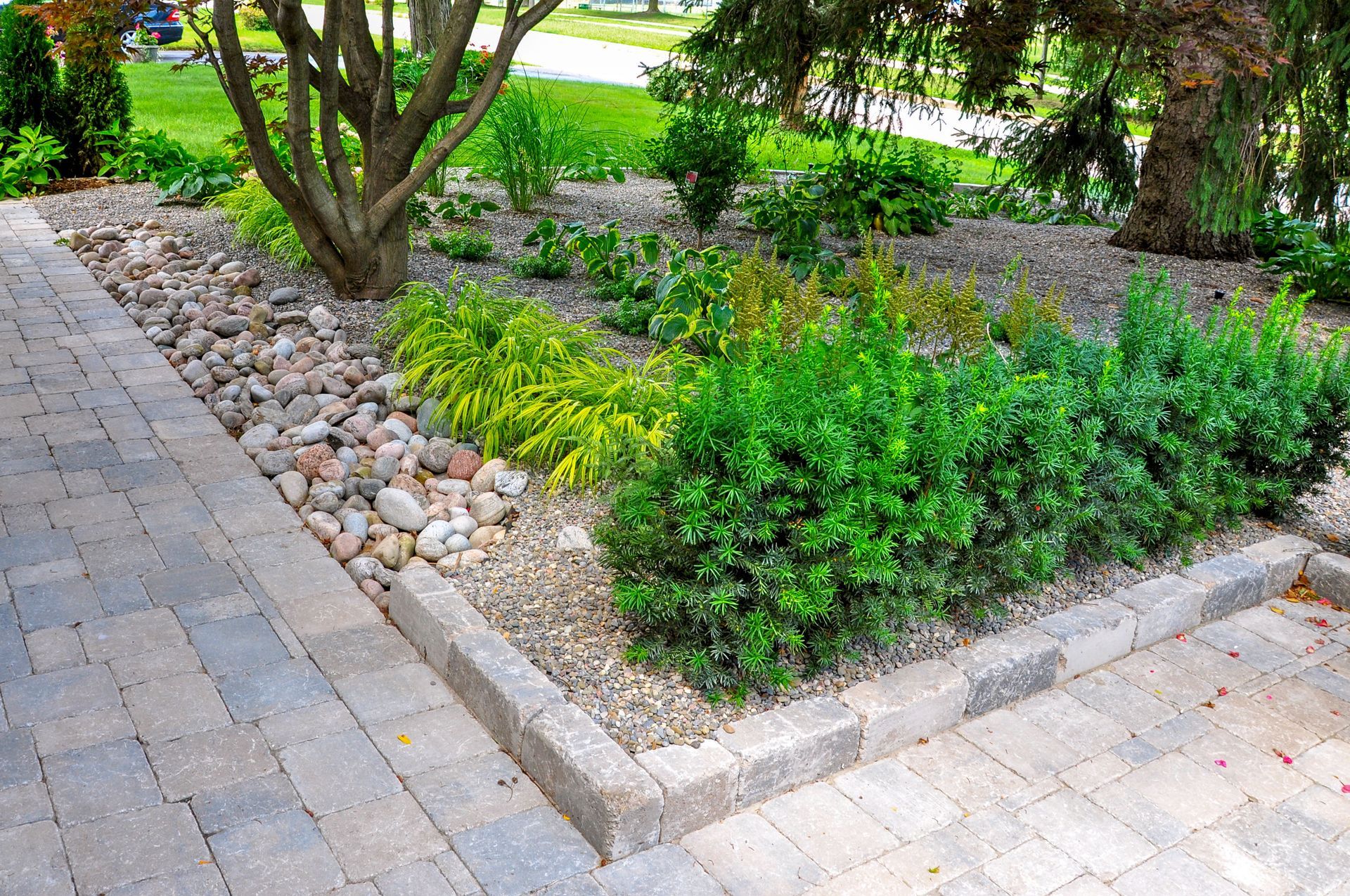
Well-designed outdoor layouts also improve usability. Clear pathways, defined borders, and supportive structures help guide movement and activity throughout the space. When form and function work together, outdoor environments become easier to use and more enjoyable on a daily basis.
6. Customization and Long-Term Adaptability
Customization is one of the most valuable advantages of investing in higher-grade options. Quality materials allow designers and homeowners to adapt outdoor spaces to specific layouts, usage needs, and personal preferences. Modular systems and versatile finishes make it easier to accommodate unique shapes or challenging spaces, ensuring that no area feels wasted or disconnected.
Adaptability also supports long-term use. Outdoor environments often evolve as lifestyles change, and materials that accommodate upgrades make future adjustments easier. Whether incorporating lighting, irrigation, or new functional zones, adaptable designs reduce the need for complete reconstruction.
This flexibility encourages long-term satisfaction. Instead of feeling locked into a single layout, property owners can refine and enhance their outdoor spaces over time. The ability to evolve without starting over adds lasting value and practicality.
Choosing high-quality landscaping materials represents a strategic investment in durability, visual appeal, environmental responsibility, and long-term property value. The benefits extend well beyond immediate appearance, offering reduced maintenance demands, improved safety, and greater adaptability over time. When outdoor spaces are built with care and quality, they provide lasting enjoyment and measurable returns. By prioritizing material excellence, property owners can create resilient, attractive landscapes that continue to add value and function for years to come. Contact our team at Hardscrabble Supply today and learn more about our services.




Share On: