How Gravel Improves Drainage and Prevents Lawn Flooding
Heavy rainfall can quickly expose drainage problems around a home or commercial property. When water has nowhere to go, it may collect across lawns, create muddy areas, and contribute to soil erosion. Standing water can also damage grass, affect nearby plants, and create inconvenient conditions around walkways and outdoor spaces. Gravel offers a practical way to help manage excess moisture when it is properly selected and installed. Its loose structure creates spaces where water can move through the ground instead of remaining on the surface. The effectiveness of a gravel drainage solution depends on the property's slope, soil conditions, rainfall patterns, and overall design. Choosing the right landscaping materials can further support effective drainage improvements and help property owners make more informed decisions about reducing lawn flooding.
Creating Space for Water to Move
One of the primary benefits of gravel is its ability to create open spaces between individual stones. These gaps allow water to travel through the material rather than pooling on top of a solid surface. When gravel is installed in a properly prepared area, it can help direct water away from locations where flooding commonly occurs. This can be especially useful near downspouts, low spots, garden borders, and areas where soil drains slowly. The size and type of stone influence how quickly water moves through the installation. Larger stones generally leave more open space, while smaller gravel may create a denser surface. Choosing appropriate landscaping materials helps ensure that the drainage feature supports the property's specific needs.
Improving Drainage Around Low Areas
Low areas of a lawn are often among the first places to collect rainwater. Even a relatively small depression can become saturated when heavy rainfall exceeds the soil's ability to absorb moisture. Gravel can be used as part of a drainage design that helps move water away from these problem areas. A shallow gravel channel, for example, may guide runoff toward a suitable outlet. In some situations, gravel may also be incorporated into a French drain or another subsurface drainage system. Proper grading remains important because gravel alone cannot correct every drainage problem. When the material is combined with thoughtful site preparation, it can help reduce the amount of water remaining on the lawn.
Reducing Water Accumulation Near Downspouts
Downspouts can release a significant amount of water in a concentrated location during rainfall. If that water is discharged directly onto soil near the foundation or lawn, it may quickly create erosion and pooling. A gravel bed can help disperse water and reduce the impact of concentrated runoff. The area should be designed to direct water away from structures and toward an appropriate drainage path. A properly installed extension or underground drainage system may also be needed in certain situations. Gravel can provide a stable and permeable surface around the discharge area, making it one of the practical landscaping materials for managing runoff. Combining these elements can help prevent one small outlet from creating a much larger flooding problem.
Protecting Soil From Erosion
Fast-moving water can carry away soil and leave behind exposed roots, uneven ground, and damaged landscaping. Gravel helps protect the soil by creating a more stable surface in areas where runoff is common. Stones can slow the movement of water and reduce the force directly impacting the ground. This can be helpful on slopes, near drainage outlets, and along areas that receive concentrated rainfall. The material should be installed at an appropriate depth to provide adequate coverage and stability. Larger stones may be useful in areas exposed to stronger flows. By reducing the force of runoff, gravel can help preserve the shape and condition of the surrounding landscape.
Choosing the Right Gravel Size
Different drainage projects require different types and sizes of gravel. Smaller stones may be suitable for certain pathways or surface applications, while larger drainage rock can provide more open space for water movement. The appropriate choice depends on the purpose of the installation and the amount of water involved. A drainage system surrounding a perforated pipe may require a different material than a decorative gravel bed. The underlying soil should also be considered before selecting the stone. If the material is too fine, it may compact and limit water movement over time. Consulting with a knowledgeable supplier can help property owners select landscaping materials that fit their project's drainage goals.
Calculating Coverage for a Project
Estimating the amount of gravel needed can help property owners plan a drainage improvement more efficiently. The required quantity depends on the area being covered and the desired depth of the installation. According to Country Living, one tonne of gravel can cover approximately 12 square meters. This provides a useful starting point for estimating material needs, although actual coverage can vary based on stone size and installation depth. A deeper drainage bed will require more material than a thin decorative layer. Measuring the project area carefully can help reduce the risk of ordering too little or too much. Professional suppliers can also help calculate the appropriate quantity for a specific application.
Improving Drainage Along Walkways
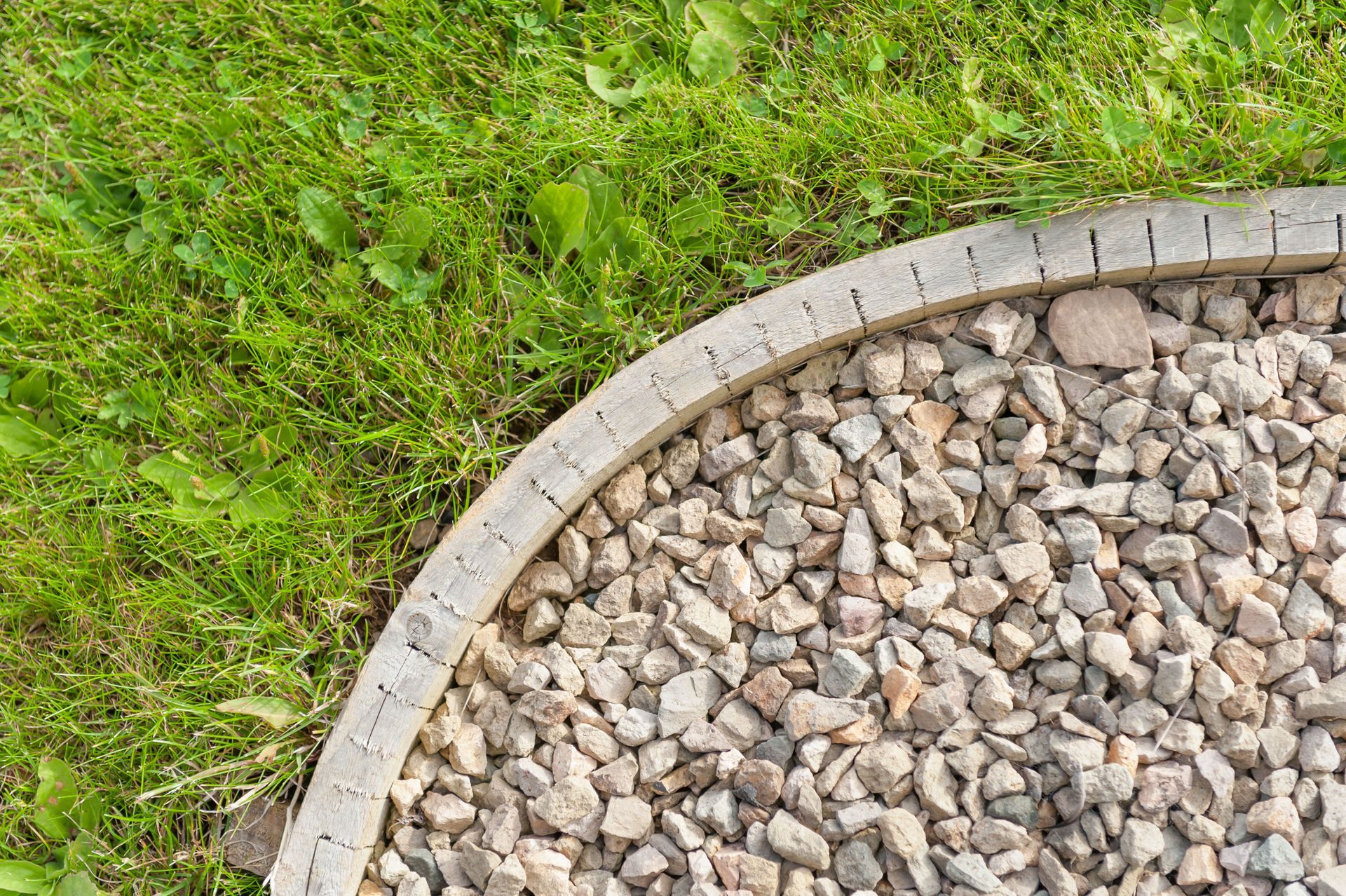
Walkways can become muddy or unstable when rainwater repeatedly collects around them. Gravel offers a permeable surface that allows water to move away more easily than many compacted materials. A properly prepared gravel walkway can help reduce mud while providing a functional route through the property. Edging can help keep stones contained and prevent them from spreading into nearby lawn areas. The base should be prepared carefully to improve stability and promote proper drainage. Regular maintenance may involve raking displaced stones and adding material when necessary. With the right preparation, gravel can support both the appearance and functionality of outdoor paths.
Managing Water Around Garden Beds
Garden beds can suffer when excessive moisture remains around plant roots for extended periods. Some plants require well-drained soil and may struggle in areas that remain saturated after rainfall. Gravel can be used around garden borders or incorporated into drainage zones to help move excess water. It can also provide a clear separation between planting areas and surrounding lawn spaces. The drainage needs of individual plants should be considered before changing the soil or surface material. Gravel should not be used as a substitute for appropriate soil preparation when plants require specific growing conditions. A well-planned landscape can combine planting design and drainage features to create a healthier outdoor environment.
Stabilizing Sloped Landscape Areas
Slopes can create unique drainage challenges because water naturally moves downhill with increasing force. As runoff travels, it may carry soil and create channels across the lawn. Gravel can help stabilize certain areas by slowing water and reducing direct contact with exposed soil. It may also be used in swales or drainage paths designed to guide runoff in a controlled direction. The shape and slope of the property should be evaluated before installation. Simply spreading gravel on a steep area may not provide a lasting solution if water continues to move too quickly. A properly designed drainage feature can help manage runoff while protecting the surrounding landscape.
Combining Gravel With Other Drainage Solutions
Gravel is often most effective when it is part of a larger drainage plan that incorporates the right landscaping materials for the property's needs. Depending on the property, solutions may include grading, catch basins, drainage pipes, swales, or rain gardens. Each feature can serve a different purpose in moving, slowing, or absorbing excess water. Gravel may provide the permeable foundation or surrounding material needed for some of these systems. Combining multiple approaches can be especially useful when a property experiences repeated flooding. The right solution depends on the source of the water and the location where it accumulates. Evaluating the entire drainage pattern can help prevent temporary fixes that fail to address the underlying cause.
If your property struggles with standing water, muddy areas, or poor drainage, the right materials can help you create a more effective outdoor solution. Hardscrabble Supply offers quality products and knowledgeable support to help property owners plan projects that improve drainage, stability, and landscape functionality. Contact us today to discuss your project and find the right gravel and landscaping materials for your property's needs.




Share On: