Topsoil vs. Potting Soil: What Does Your Garden Actually Need?
Selecting the correct foundation for plants remains a critical decision for homeowners and gardeners alike. The debate between using native earth versus bagged sterile media continues to surface every planting season. Many individuals assume that expensive bagged mixtures guarantee superior plant health, yet natural earth provides better long-term stability. The choice dictates water retention, nutrient availability, and overall plant vitality. Understanding the structural differences between these materials ensures better environmental harmony and healthier root systems.
Gardeners face numerous options when visiting stores for landscaping supplies. A common misconception suggests that indoor sterile media functions well for outdoor garden beds. However, applying indoor material to vast outdoor spaces ignores the complex biological needs of natural ecosystems. Ground earth contains native microorganisms essential for sturdy plant development. Examining the distinct characteristics of each material reveals why natural earth remains the superior choice for outdoor planting projects.
Exploring the Composition of Natural Topsoil
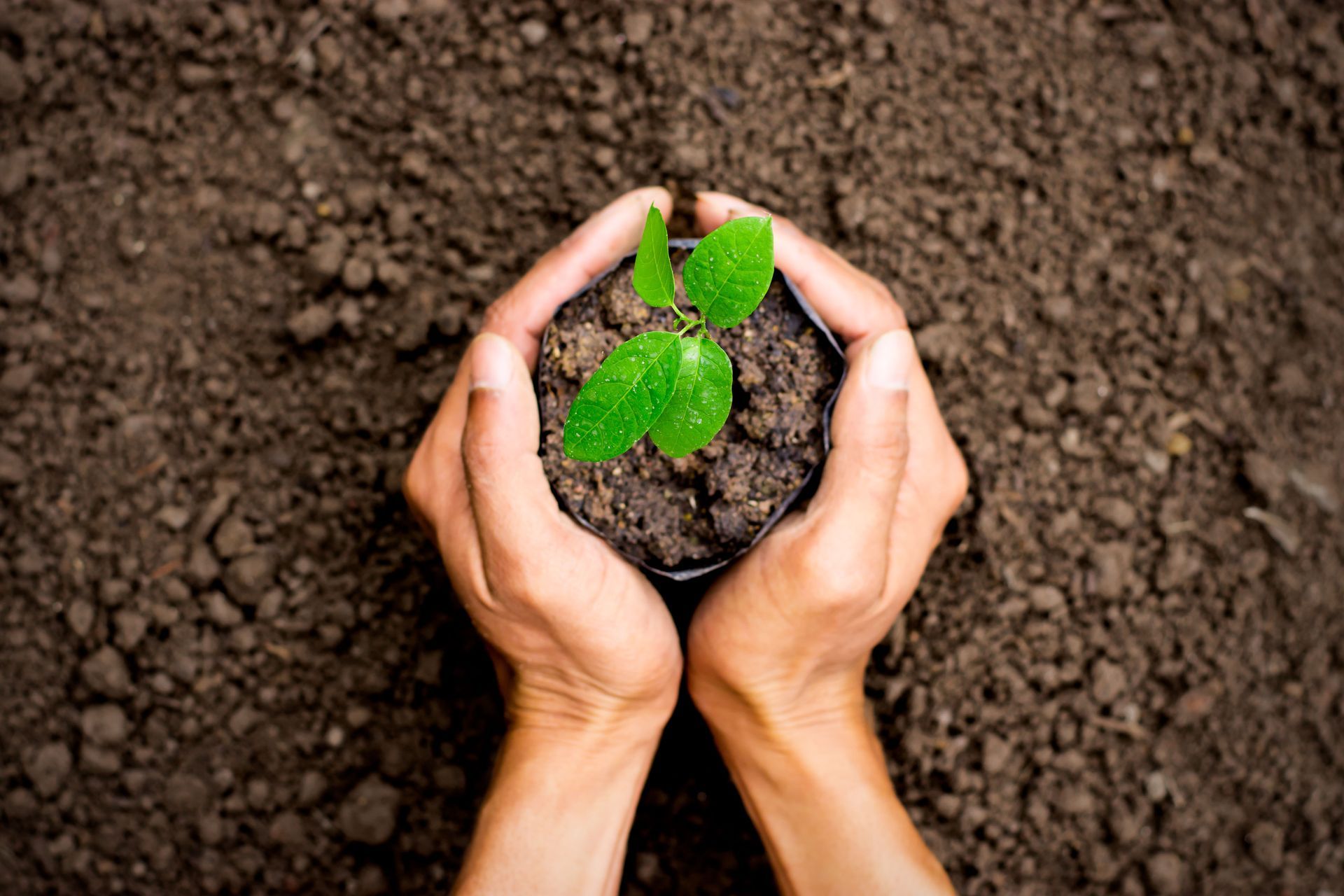
Natural earth forms the uppermost layer of the crust, teeming with biological activity and essential nutrients. According to the USDA, soil is typically composed of 45% minerals, 25% air, 25% water, and 5% organic matter. This precise balance creates an ideal environment for roots to anchor and expand. The mineral content provides structural integrity, while the organic material supplies slow-release nutrition to growing flora. Such complexity cannot be replicated in artificial commercial blends.
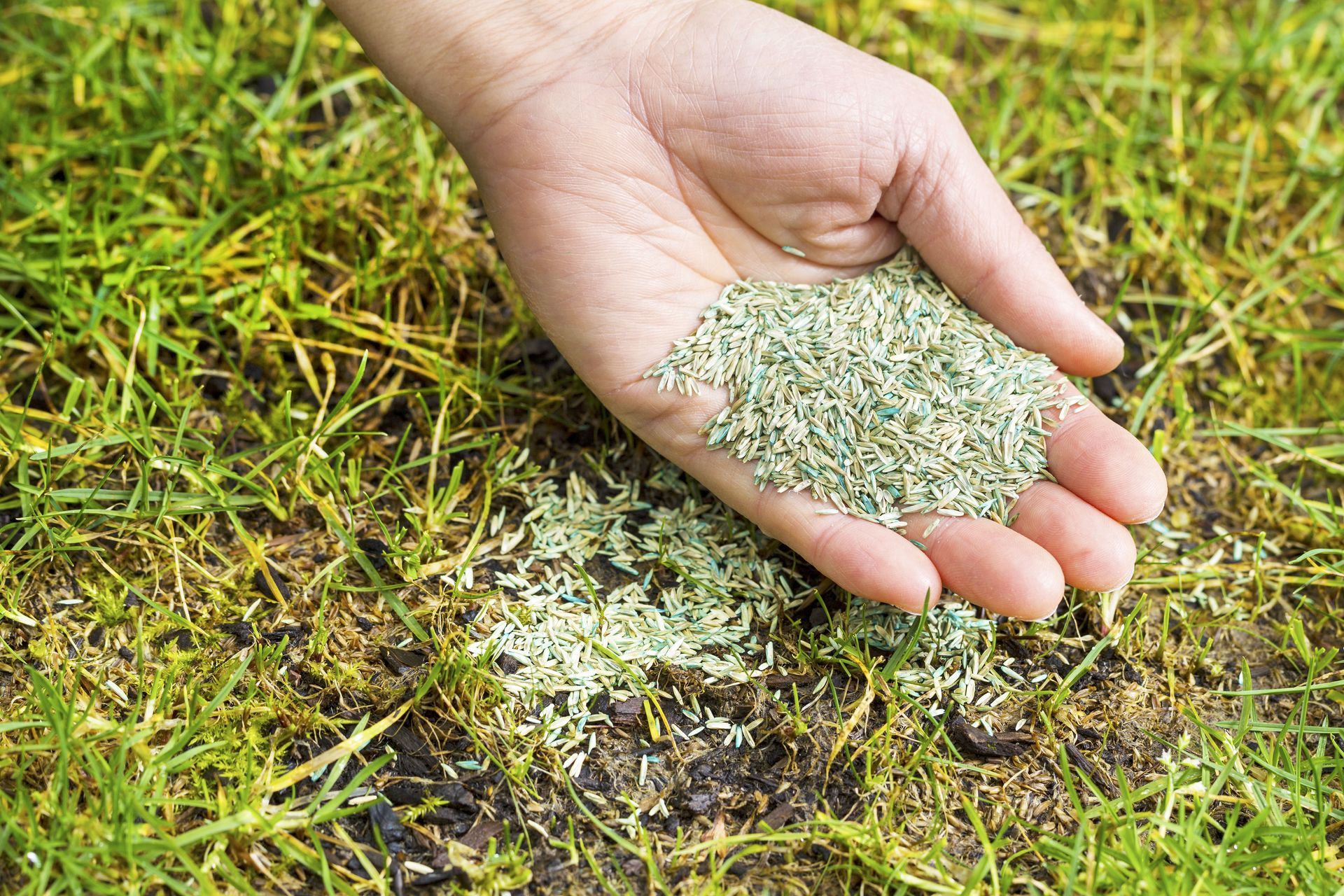
This rich ground layer develops over decades through the decomposition of leaves, bark, and native vegetation. It teems with beneficial fungi, bacteria, and earthworms that break down organic material into usable plant food. These biological components create a living web beneath the surface. When homeowners purchase landscaping supplies, acquiring quality ground earth ensures the continuation of this microscopic ecosystem. Bagged indoor media lacks this inherent biological diversity.
The mineral content in the ground includes sand, silt, and clay particles. This combination dictates moisture retention and drainage capabilities. Heavy clay retains moisture during dry spells, while sandy elements prevent waterlogging. Good native earth offers a balance, retaining adequate moisture while allowing excess rain to drain away. Such structural diversity provides plants with a stable, resilient home. Outdoor environments require this exact durability to withstand harsh weather conditions.
Root systems in outdoor beds require sturdy material to anchor mature plants against strong winds. Natural ground layers provide dense, heavy material that holds root balls securely. Trees, shrubs, and large perennials depend upon this weight for structural support. Indoor potting soil remains too light and fluffy to secure large outdoor flora. Therefore, topsoil stands as the necessary foundation for any permanent outdoor garden installation.
Evaluating the Limitations of Potting Mixtures
Commercial indoor media, known as sterile dirt, contains no actual dirt at all. Manufacturers create these blends using peat moss, coconut coir, perlite, and vermiculite. These ingredients produce a lightweight, sterile environment meant for confined containers. While suitable for indoor houseplants, this artificial concoction fails to support complex outdoor ecosystems. The lack of native minerals renders the material weak and insufficient for long-term outdoor planting beds.
The lightweight nature of potting soil causes significant problems in open environments. Without the heavy mineral base found in native earth, artificial blends dry out at an alarming pace when exposed to sun and wind. Gardeners using this material outdoors must water their beds without pause to prevent complete dehydration. Furthermore, heavy rains wash the lightweight particles away, eroding the garden bed. Such instability makes it an impractical choice for permanent landscapes.
Potting soil requires constant synthetic fertilization. Because the ingredients lack inherent nutrients, manufacturers add synthetic chemical fertilizers to provide immediate plant food. These chemicals deplete in short order, leaving the plant starving after several months. Owners must then purchase additional landscaping supplies to maintain plant health. In contrast, natural ground earth provides a continuous, self-renewing source of nutrition through natural decomposition processes, eliminating the need for constant chemical additions.
Another significant limitation involves the environmental impact of harvesting peat moss, a primary ingredient in potting soil. Peat extraction damages fragile wetland ecosystems and releases stored carbon into the atmosphere. Relying on such materials for large outdoor beds creates unnecessary ecological strain. Utilizing natural ground earth harvested from local construction sites or regional sources offers a sustainable alternative. Sourcing local materials reduces transportation emissions and preserves sensitive wetlands.
Analyzing the Economics of Garden Foundations
Financial considerations play a major role in establishing vast garden beds or raised planters. Purchasing artificial potting soil by the bag becomes an exorbitant expense for any sizable project. The cost per cubic yard of potting soil far exceeds the price of bulk ground earth. Homeowners attempting to fill raised beds with indoor mixtures soon deplete their gardening budgets. Natural earth presents a far more economical solution for large-scale outdoor projects.
Bulk delivery of natural ground material offers significant savings. Local nurseries and providers of landscaping supplies deliver rich, local earth straight to the driveway at a fraction of the cost of bagged products. This bulk purchasing power allows individuals to create expansive garden spaces without financial strain. The initial investment in bulk earth yields long-lasting results, as the material settles and integrates with the existing ground over time.
Long-term maintenance costs also favor the use of natural earth. Artificial media breaks down and compacts, requiring regular replacement or topping off each season. The organic components in sterile bags decompose into a dense sludge that suffocates roots. Consequently, owners must purchase fresh soil each season. Native earth requires minimal supplementation, requiring perhaps an occasional layer of compost. This durability translates into substantial savings over the lifespan of a garden.
The economic advantages extend beyond the initial purchase and maintenance. Plants established in natural earth develop deeper, stronger root systems, resulting in healthier specimens that resist drought and disease. Sturdy plants require fewer chemical treatments, less water, and fewer replacements. By choosing the correct foundational material, property owners protect their botanical investments. The financial logic supports prioritizing native earth over artificial indoor mixtures for all outdoor landscaping endeavors.
Observing the Results of Outdoor Planting
Flora grown in native earth exhibits distinct advantages in resilience and longevity. The natural mineral structure forces roots to push through dense material, creating thick root networks. These strong roots access deep moisture reserves during periods of drought. Conversely, plants sitting in fluffy indoor soil develop weak, shallow root systems. Such fragile networks leave plants vulnerable to heat stress, freezing temperatures, and minor fluctuations in watering schedules.
The presence of local microorganisms in natural earth provides unseen protective benefits. Beneficial soil bacteria form symbiotic relationships with plant roots, protecting them from harmful pathogens. These microscopic allies act as an immune system for the garden. Potting soil lacks this biological defense mechanism. Without these natural protectors, outdoor plants grown in artificial media fall victim to local diseases and soil-borne fungal infections at a greater rate.
Moisture management becomes effortless when utilizing native earth in outdoor spaces. Ground earth absorbs and holds moisture deep below the surface, encouraging downward root growth. As surface temperatures rise, the deep moisture keeps the plants hydrated. Potting soil acts like a sponge on the surface, drying out with intense speed under the hot sun. This requires excessive irrigation and creates a shallow zone of hydration that fails to protect mature flora.
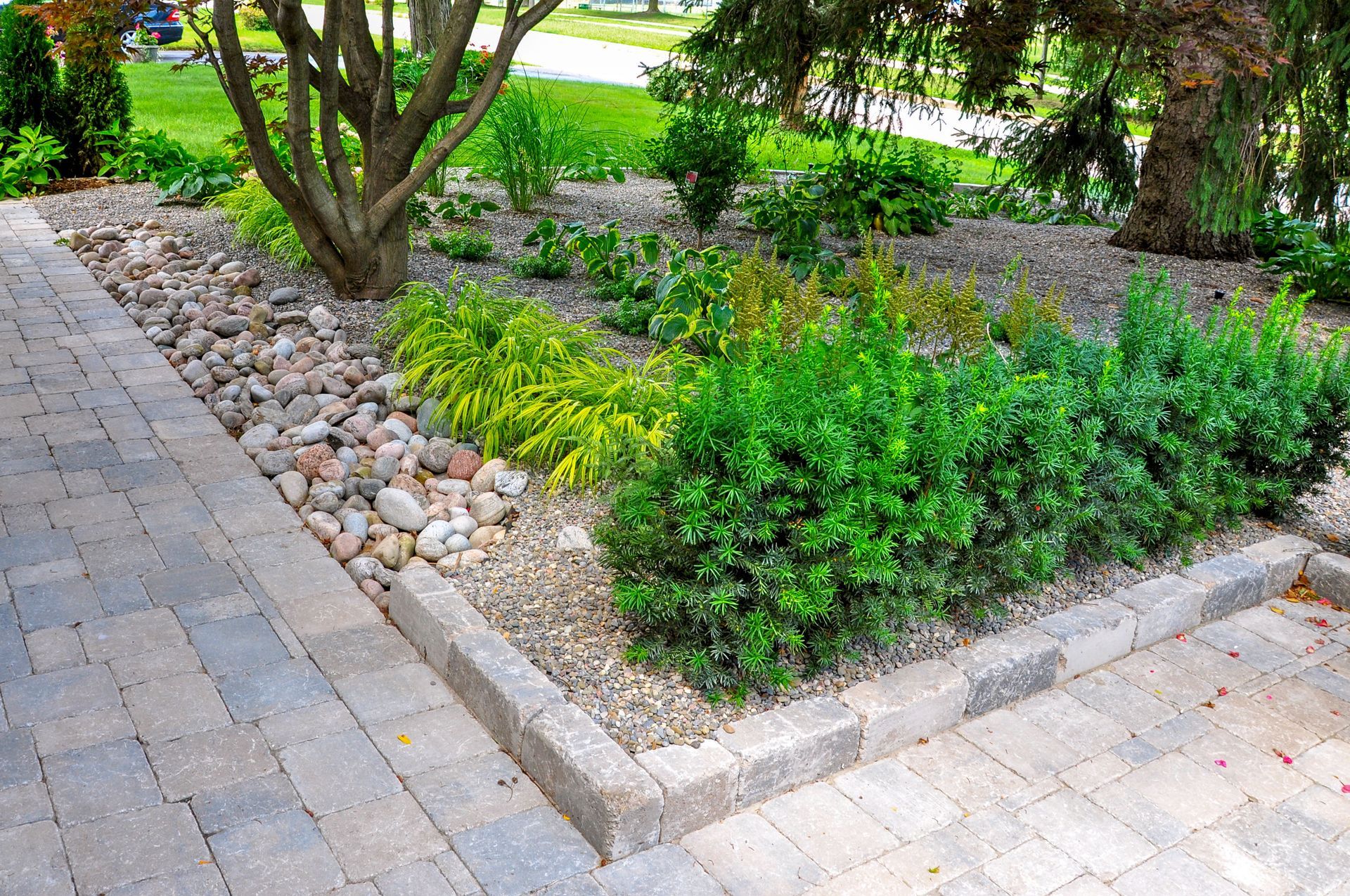
Integrating outdoor beds with the existing landscape creates a seamless transition. Native earth blends with the surrounding yard, allowing worms and insects to migrate. This integration improves overall earth structure and promotes a thriving ecosystem. When procuring landscaping supplies, prioritizing natural earth guarantees this vital connection. Artificial media creates an isolated, artificial pocket that never integrates with the natural world surrounding it.
Homeowners and garden enthusiasts must prioritize materials that support ecological harmony. Choosing topsoil fosters a sustainable, resilient environment where plants can flourish without constant human intervention. The next time individuals visit their local provider of landscaping supplies, the decision should remain clear. Opting for rich, natural ground earth ensures a permanent, vibrant, and stable foundation for generations of lush outdoor growth. At Hardscrabble Supply, we want to help you build a resilient garden rooted in rich, natural earth. Contact us today to schedule your bulk topsoil delivery and gather the landscaping supplies your outdoor space actually needs.

Share On: