
Questions to Ask When Buying Grass Seed
Selecting the right grass seed requires careful consideration of various elements like climate, soil type, sunlight exposure, and lawn usage. The scale of these choices is massive; in 2025, grass seeds made up 81% of all seed imports by volume, according to the United States Department of Agriculture. We understand that asking informed questions ensures you choose a blend that aligns perfectly with your specific needs and long-term property goals. The knowledge gathered through this process aids in mitigating common pitfalls, resulting in less maintenance and more enjoyment of your outdoor space. With new insights into seed labels, budgeting strategies, and planting conditions, we are better equipped to make choices that favor long-term sustainability and appeal. We encourage you to apply these insights when visiting a local landscaping supply provider to cultivate a thriving, lush landscape tailored to your unique environment.
How Do You Assess Your Climate Conditions First?
The first step in choosing the right grass seed is to consider your regional climate. Different grass varieties thrive in different weather conditions, so identifying your region's climate will help narrow down your options. There are generally three classifications to be aware of: cool-season, warm-season, and transitional climates. Cool-season grasses, such as Kentucky bluegrass, perform best in areas with cold winters and mild summers. According to publication findings from House Beautiful, autumn represents the ideal period to seed a lawn using a cool-season variety, whereas springtime remains the optimal window for planting warm-season options.
How Do You Identify Your Specific Temperature Needs?
Cold-weather grass seed varieties are typically more resilient to the frost and lower temperatures that characterize many northern regions. These include species like fine fescue and perennial ryegrass, which can stay green with minimal maintenance in the cooler months. When choosing a seed, it's beneficial to consider the average temperature swings in your area. This helps ensure that the grass stays healthy across seasons. A well-chosen cool-season grass will establish deeper roots in the fall, setting the stage for lush growth in the spring.
How Do You Determine the Best Growing Windows?
Warm-weather grass seed varieties like Bermuda and zoysia are better suited for regions with hot summers and mild winters. These grasses enter a dormant stage during the cooler months, making spring or early summer the optimal time for planting. In transitional climates, where temperatures can vary widely, a blend of cool and warm-season grasses may provide the most resilience. We also want to consider any microclimates within your yard caused by natural or artificial features that could affect growth. These might include shaded areas, rocky soil, or improper drainage, all of which can impact seed selection.
How Do You Evaluate Your Baseline Soil Type?
Determining your soil type is another crucial factor when selecting grass seed. Soil testing can identify pH levels, nutrient content, and other factors critical to grass growth. Understanding these characteristics allows us to amend your soil as needed, creating a more hospitable environment for the seed to flourish. We suggest conducting a basic soil test before planting, which can be acquired at a local landscaping supply store. The results will indicate whether your soil is sandy, clay, loamy, or a mix, each having unique characteristics that affect water retention and root penetration.
How Do You Analyze Your Soil Test Results?
Common soil types include clay, which retains water well but may not drain properly, and sandy soil, which drains too quickly and can lose nutrients. Loamy soil, a mixture of sand, silt, and clay, is often considered ideal for grass because of its balanced properties. Based on your test results, we might need to amend the soil with organic material or other additives to achieve the ideal conditions. Understanding your baseline soil conditions will help you choose a grass seed that matches well with the environment. Tailoring these steps to your needs also ensures we are starting with a solid foundation during the planting process.
How Do You Choose Options For Heavily Shaded Zones?
If dealing with heavily shaded areas, options like fine fescue or St. Augustine are built to withstand lower light conditions. Dense shade can present challenges for photosynthesis, the process by which plants create energy, leading to thinner blades or slower growth if the wrong seed is used. Also, keep in mind how seasonal changes affect sun exposure in your yard, as even sunny areas can experience increased shadows in fall and winter. Planting shade-tolerant grass ensures these areas remain healthy, while ongoing management of tree branches and shrubs helps balance light distribution across the yard. Adaptations such as these are essential to sustaining overall lawn vitality.
How Do You Anticipate Lawn Usage and Foot Traffic?
Acknowledging the purpose of your lawn is vital when selecting grass seed. Lawns subjected to heavy foot traffic require more durable varieties, capable of withstanding frequent wear and tear. For instance, tall fescue is noted for its resilience in high-traffic environments, making it well-suited for active families with children or pets. This variety features deeper roots and denser blades, providing better ground cover and wear tolerance needed for trampling. When choosing grass seed based on usage, it's essential to anticipate future needs, accounting for potential lifestyle changes or expansions in lawn use.
How Do You Decipher the Text on Seed Labels?
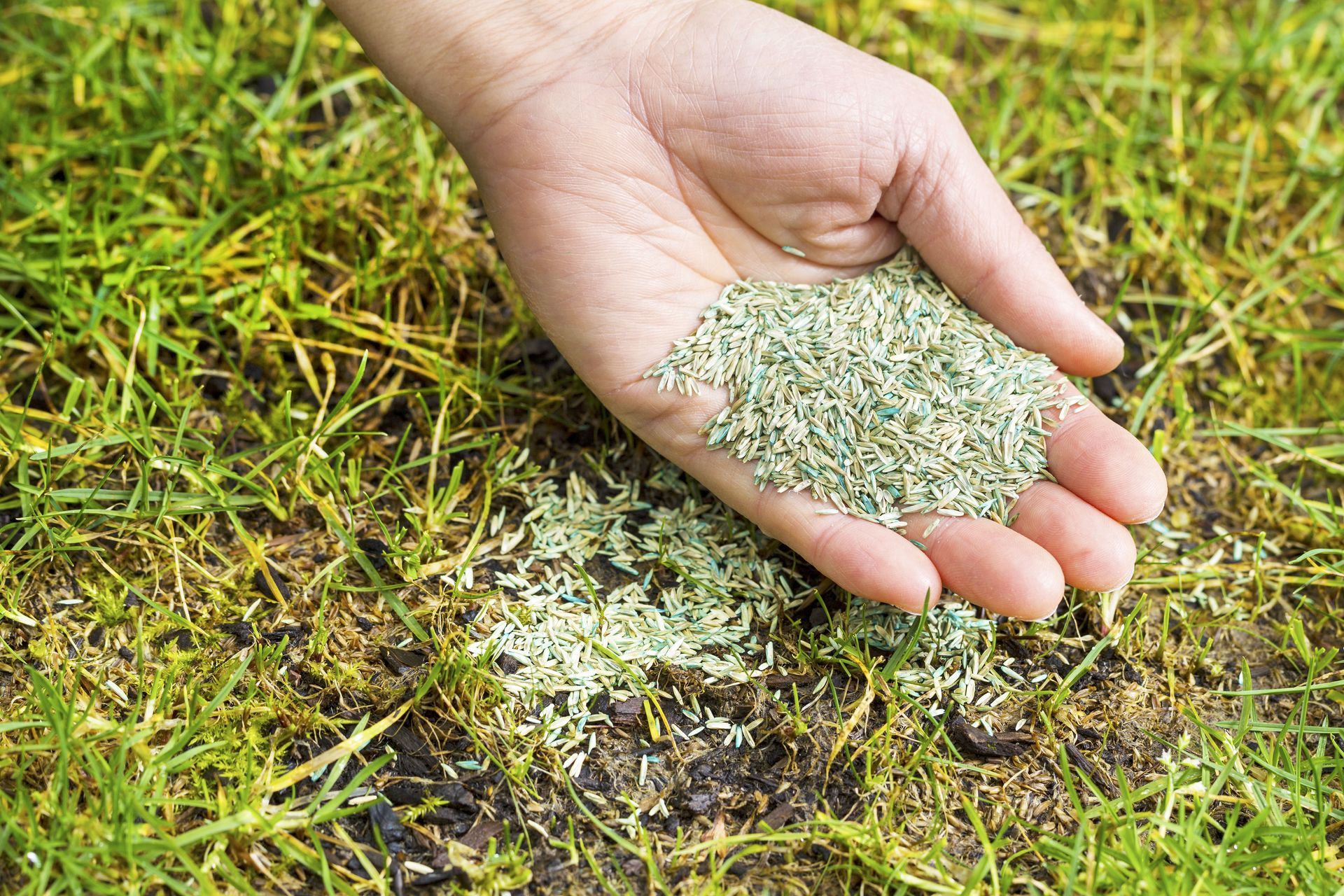
The information contained on grass seed labels can be complex, but understanding it is key to making an informed purchase. Seed labels provide crucial data, including the mixture's purity percentage, germination rate, and even user-specific instructions for planting. Pay close attention not only to grass variety names but also to additional components like filler contents and weed seeds. A higher-grade seed from a premium local landscaping supply house is often more expensive upfront but promises less weed growth and better results over time. Remember, high-quality ingredients deliver the desired lush appearance and a more manageable lawn.
How Do You Estimate Your Full Project Budget?
Implementing a new lawn project requires thoughtful budgeting, considering both immediate and long-term expenses. Understanding the cost analysis of different grass seed types helps keep expenditure in perspective, allowing for calculated financial planning. Some seeds are cheaper but may not provide quality performance, while others balance affordability with reliability. Local landscaping supply professionals can examine cost-per-square-foot estimates and potential installation needs that could affect initial outlay. A well-calculated budget empowers better purchasing decisions, ultimately maximizing value without compromising on quality.
How Do You Discover Affordable and Value-Driven Solutions?
Budget-friendly options exist for those mindful of expenses yet unwilling to sacrifice quality lawn results. Look for generic blends or research lower-cost brands known for durable performance within specific locales or conditions. Recognize external contributors to elevated seed prices, such as proprietary genetic enhancements, organic production methods, or bulk purchase discounts. Selecting economical solutions from a reputable local landscaping supply yard can effectively extend funds toward supplementary needs like fertilizers, tools, and post-care services. With effective cost-management techniques, maintaining a lush landscape becomes financially feasible long-term, optimizing returns on your investment.
How Do You Calculate Long-Term Upkeep Expenses?
Beyond initial purchase costs, anticipate enduring implications tied to your chosen grass variety. Different selections carry varying maintenance demands, such as watering, mowing frequency, or additional soil treatments. Evaluate fashion versus functionality when assessing value-oriented routes, aiming to align fiscal allocations with personal priorities. Scour for seasonal discounts available at your local landscaping supply outlet, especially towards the off-peak planting periods such as winter. By balancing immediate financial impact against total potential gains, your lawn revitalization not only delivers aesthetic benefits but yields high return ratios on both personal satisfaction and practical incentives.
How Do You Secure Expert Assistance for Your Project?
Gathering the right supplies is much easier when you collaborate with experienced professionals who understand regional soil and weather patterns. Our team can guide you through the process of selecting premium seeds, fertilizers, and tools tailored to your unique landscape. When you visit a supply center, you gain access to expert advice that helps you avoid costly planting mistakes. Whether you are patching up a few bare spots or completely transforming your front yard, relying on a dedicated local landscaping supply specialist ensures you get the right materials. Stop by Hardscrabble Supply today to explore our premium inventory, consult with our knowledgeable staff, and get everything you need to establish a beautiful, long-lasting lawn that your family will enjoy for years to come.






Share On: