
6 Things to Know About Mulch for Landscaping
The art of cultivating a beautiful garden begins with the foundation of the soil. Beyond the flowers that provide color, ground cover plays a vital role in the health of the entire ecosystem. Mulching is a fundamental practice that serves both aesthetic and functional purposes, transforming a sparse patch of dirt into a thriving landscape. Understanding the nuances of this material is essential for any homeowner looking to improve their outdoor living space.
For many, the first step is identifying a reliable local landscaping supply partner. Having a nearby source ensures materials are suited for the regional climate. Proximity also allows for easier transport of large quantities, which is necessary for extensive renovations. The choice of ground cover remains one of the most impactful decisions for plant health.
1. Determining Proper Material Depth
Maintaining the correct thickness of the organic layer is crucial. If the application is too thin, sunlight will reach the soil, allowing weeds to germinate. Conversely, an excessively thick layer can prevent oxygen from reaching root systems. Achieving a balance ensures moisture is retained while plants continue to breathe and grow without restriction.
Ideal depth varies depending on the specific material used. Bark nuggets occupy more space than finely shredded wood or pine needles. When calculating the amount needed, it is helpful to visualize the total area. According to The Spruce, you would need approximately 38 50 L bags of mulch to cover a 200 square foot garden.
- Measure the length and width of every garden bed
- Check the consistency of the material before spreading
- Maintain a gap around the base of tree trunks
- Smooth the surface using a sturdy garden rake
Consistency is key when applying these materials. Uneven patches look disorganized and create weak points where moisture can escape. By sourcing from a local landscaping supply yard, homeowners can get bulk deliveries that ensure uniform color.
2. Selecting Appropriate Mulch Varieties
The choice between organic and inorganic materials depends on project goals. Organic options like cedar chips or composted leaves improve soil structure as they decompose. These materials return vital nutrients to the earth, fostering a rich environment for beneficial microbes. This natural cycle of renewal is the hallmark of a healthy garden.
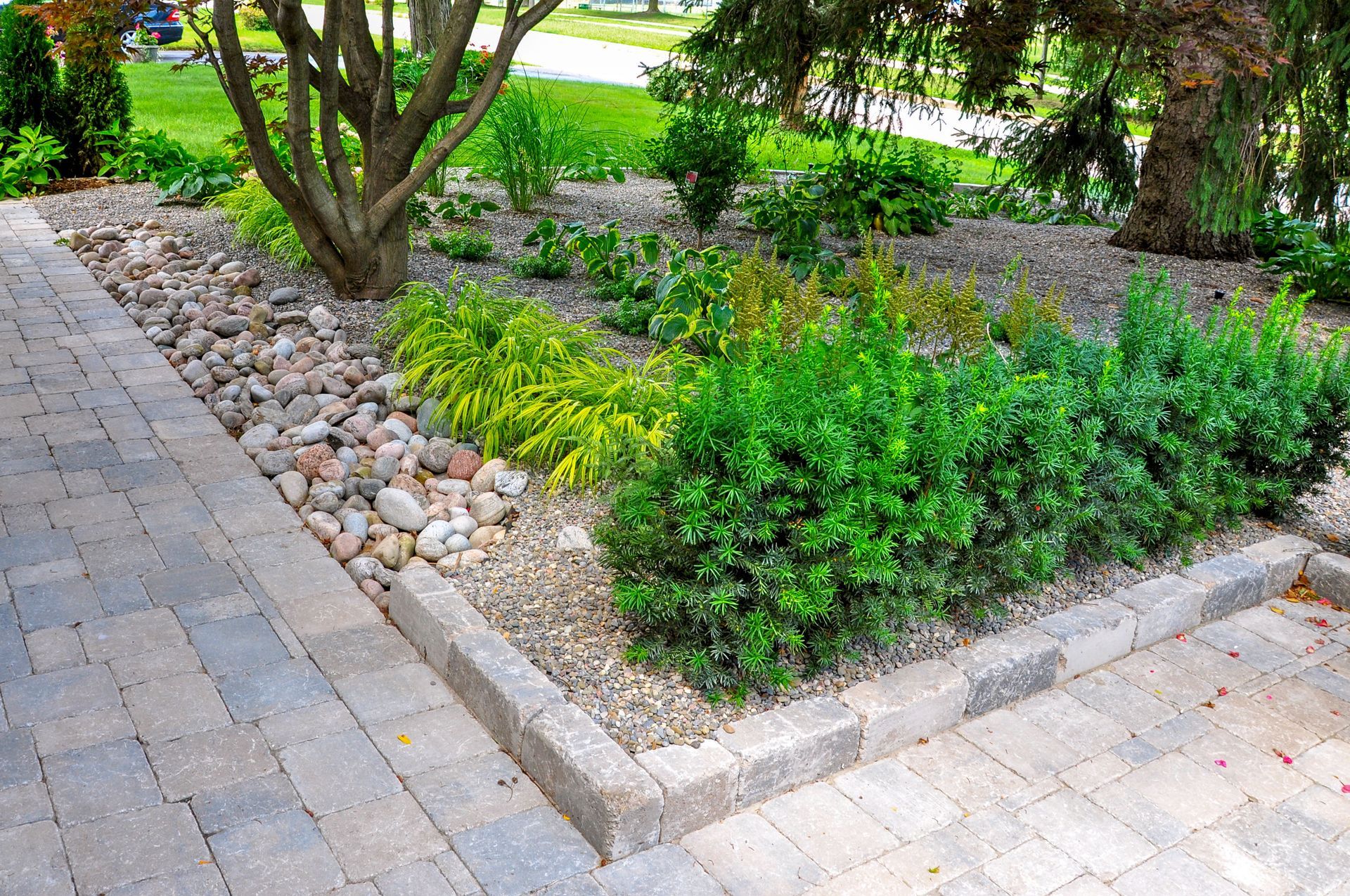
Inorganic choices like river stones or lava rocks offer a longer lifespan and do not require frequent replenishment. These are preferred for areas where drainage is a concern or in modern designs. While they do not nourish the soil, they prevent erosion and provide a permanent barrier. A local landscaping supply center allows gardeners to see these textures before selecting.
- Choose cedar for its natural pest-resistant properties
- Opt for dark hardwood for a formal appearance
- Utilize pine straw for acid-loving plants
- Consider stones for high-traffic paths or borders
Environmental factors should also influence selection. In windy areas, heavier wood chips are less likely to blow away than straw. In sunny spots, lighter colors reflect heat and keep soil cooler.
3. Preventing Common Weed Growth
A well-mulched garden significantly reduces maintenance. By blocking the sunlight required for weed seeds to sprout, the organic barrier acts as a natural suppressant. This reduces the need for chemical herbicides, making the garden safer for children and pets. It also saves the homeowner hours of tedious manual weeding.
Clear the area of existing weeds before the new material arrives from the local landscaping supply company. Some gardeners lay down landscape fabric or cardboard beneath the mulch for extra protection.
- Hand-pull large weeds before applying the top layer
- Ensure the ground is damp to lock in moisture
- Overlap fabric edges to prevent gaps
- Refresh the top inch annually to maintain the barrier
Weeds can sap the soil of water intended for ornamental plants. By eliminating this competition, the garden becomes more resilient during dry spells. The mulch acts as a sponge, holding onto rainwater and then slowly releasing it. This efficient use of resources leads to more vibrant blooms throughout the summer.
4. Enhancing General Soil Health
The right ground cover serves as a shield for the earth. It prevents soil from compacting under the force of heavy rain, which can turn a garden bed into an impenetrable surface. By keeping soil loose, mulch allows roots to expand and water to penetrate deep into the ground.
As organic materials break down, they introduce carbon and nitrogen into the ecosystem. This attracts beneficial insects that break down wood fibers into rich humus. When homeowners pick up orders from a local landscaping supply outlet, they are buying raw materials for future soil fertility. This investment pays dividends in healthier plants.
- Encourage the presence of beneficial garden earthworms
- Balance the acidity of the soil over time
- Prevent the formation of a hard crust on dirt
- Support the growth of helpful fungi within roots
Organic mulch will eventually disappear into the earth. While this requires a new application every few years, it ensures the garden receives fresh nutrients. Many enthusiasts enjoy this process as it allows them to change the look of their beds. Each new layer represents a fresh start for the growing season.
5. Regulating Constant Ground Temperature
Plants are sensitive to the shock of rapid temperature changes. A thick layer of insulation acts as a buffer, slowing the rate at which the ground heats up or cools down. This stability is vital for the survival of delicate perennials and young shrubs. It reduces stress on the plant's vascular system.
In the height of summer, the shade keeps the root zone cooler than the surrounding air. This prevents the baking effect that leads to wilting. During winter, the same layer traps latent heat, protecting crowns from frost heaving. Sourcing materials from a local landscaping supply ensures the garden is prepared for regional weather patterns.
- Protect dormant plants from early spring thaws
- Keep roots cool during extreme summer heat waves
- Prevent the freeze-thaw cycle from pushing bulbs out
- Reduce water evaporation during the afternoon sun
Thermal protection is important for container gardens, which fluctuate in temperature quickly. Applying fine mulch to these smaller spaces helps maintain a steady environment. It also gives pots a finished look that ties them in with the landscape. Even a small amount of material makes a big difference in a patio garden.
6. Maximizing Overall Curb Appeal
The visual impact of fresh mulch cannot be overstated. It provides a clean backdrop that makes vibrant green leaves and bright petals pop. Professional landscapers use this technique to define the edges of paths. When a yard is properly mulched, it looks cared for, which increases the perceived value of the property.
Finding the perfect shade is a matter of personal preference. A local landscaping supply typically offers various hues, from natural honey tones to deep ebony. Matching the color to the house trim creates a cohesive look.
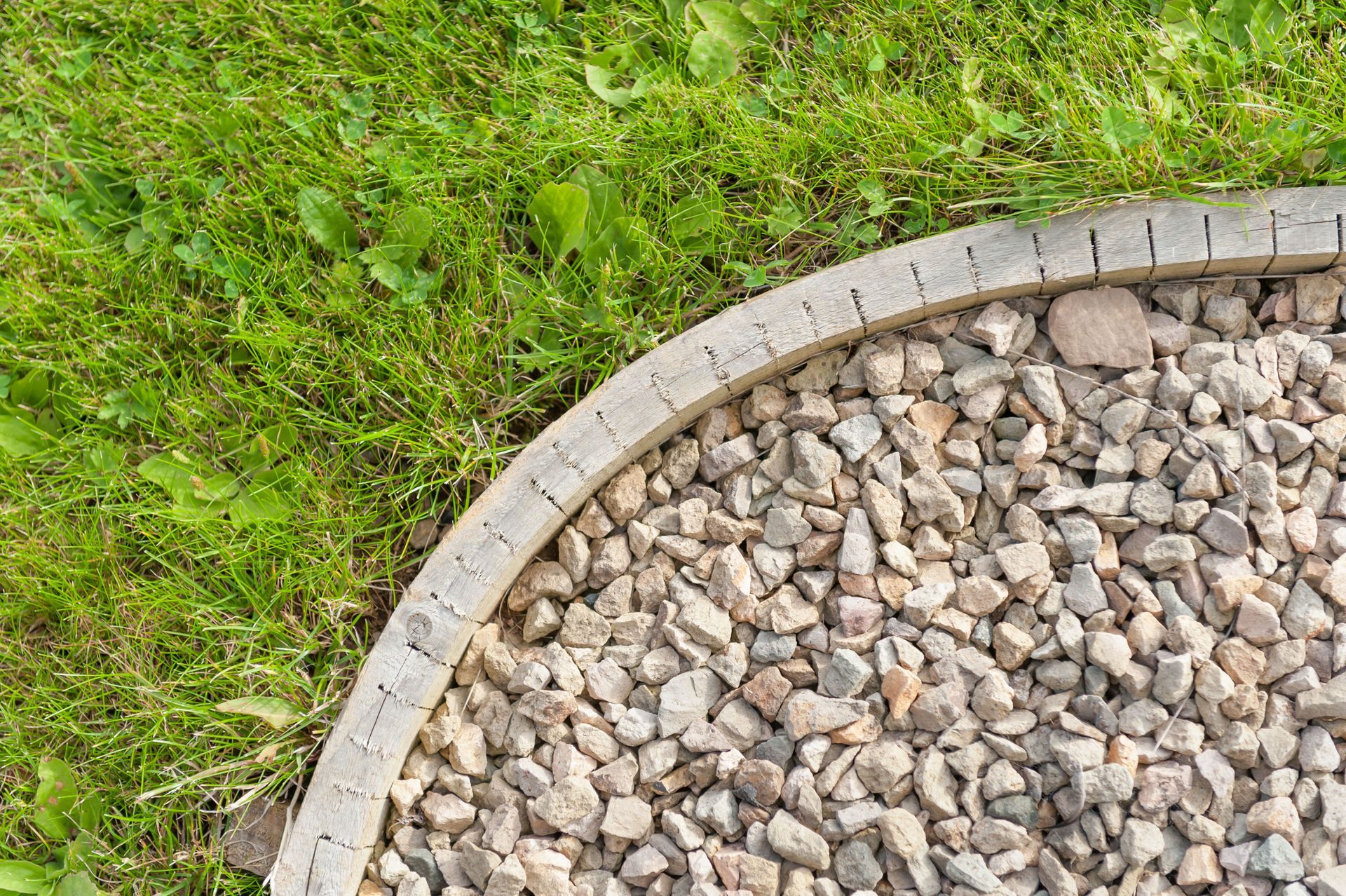
- Define sharp edges between lawns and garden beds
- Create a uniform look across different plant zones
- Hide unsightly irrigation pipes or electrical wires
- Provide a soft surface for garden walkways
Ultimately, the goal of landscaping is to create a space that brings joy. The smell of fresh wood chips and the sight of a tidy garden provide an immediate sense of accomplishment. By understanding the benefits of this material, homeowners can take control of their environment. The result is a landscape that is both beautiful and robust enough to thrive.
Transforming your outdoor space requires the right materials and a vision for the future. Whether you are looking to protect your favorite plants or simply want to refresh the look of your home, the right foundation makes all the difference. For all your gardening needs and the highest quality materials in the region, visit Hardscrabble Supply.





Share On: