
Should You Upgrade Your Landscaping Materials Before Selling a Home?
When preparing a home for sale, homeowners often focus on interior improvements such as fresh paint, updated fixtures, and minor repairs. However, the exterior can have just as much influence on how prospective buyers perceive a property. A well-maintained landscape creates a strong first impression and can make the home feel more inviting before buyers even walk through the front door.
According to LawnStarter, homes with landscaping have been found to sell for 5% to 12% more than comparable properties without landscaping. While this does not mean every landscaping improvement will directly increase a home's sale price, it demonstrates why the condition and appearance of outdoor spaces deserve attention before listing a property. Choosing the right landscaping materials can help homeowners make practical improvements that enhance curb appeal without taking on unnecessary projects.
Evaluating Your Landscape Before Making Improvements
Identifying Areas That Need Attention
Before purchasing new landscaping materials, walk around the property and evaluate the condition of its existing outdoor features. Look at planting beds, walkways, lawn areas, drainage features, patios, retaining walls, and other visible elements. Pay particular attention to areas that appear worn, neglected, uneven, or inconsistent with the rest of the property. Taking this step first can help you determine which improvements are worthwhile and which features can remain as they are.
It is also helpful to consider the landscape from a buyer's perspective. A prospective buyer may notice an overgrown garden, patchy lawn, deteriorating mulch, or an unattractive walkway before noticing more subtle improvements elsewhere. Addressing the most visible concerns first can make the property look cleaner and more cared for. In many cases, a relatively modest investment in landscaping materials can have a noticeable effect when it addresses an obvious problem.
Prioritizing Improvements With Broad Appeal
When selling a home, landscaping projects should generally focus on improvements that are functional, attractive, and broadly appealing. Highly personalized features may suit your preferences but could be less meaningful to potential buyers. Neutral choices, clean lines, healthy plantings, and well-defined outdoor spaces can create an appearance that complements a wider range of tastes.
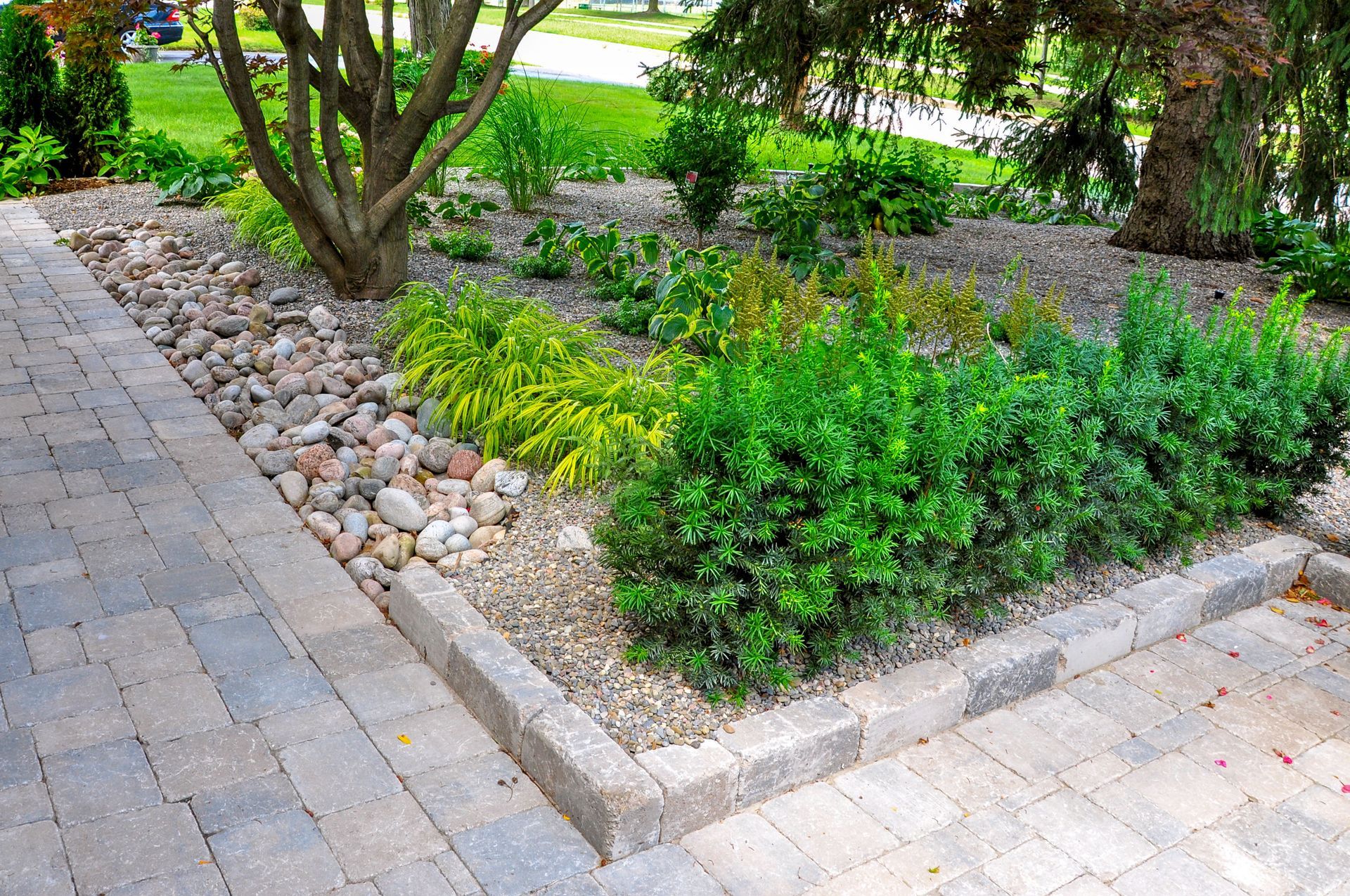
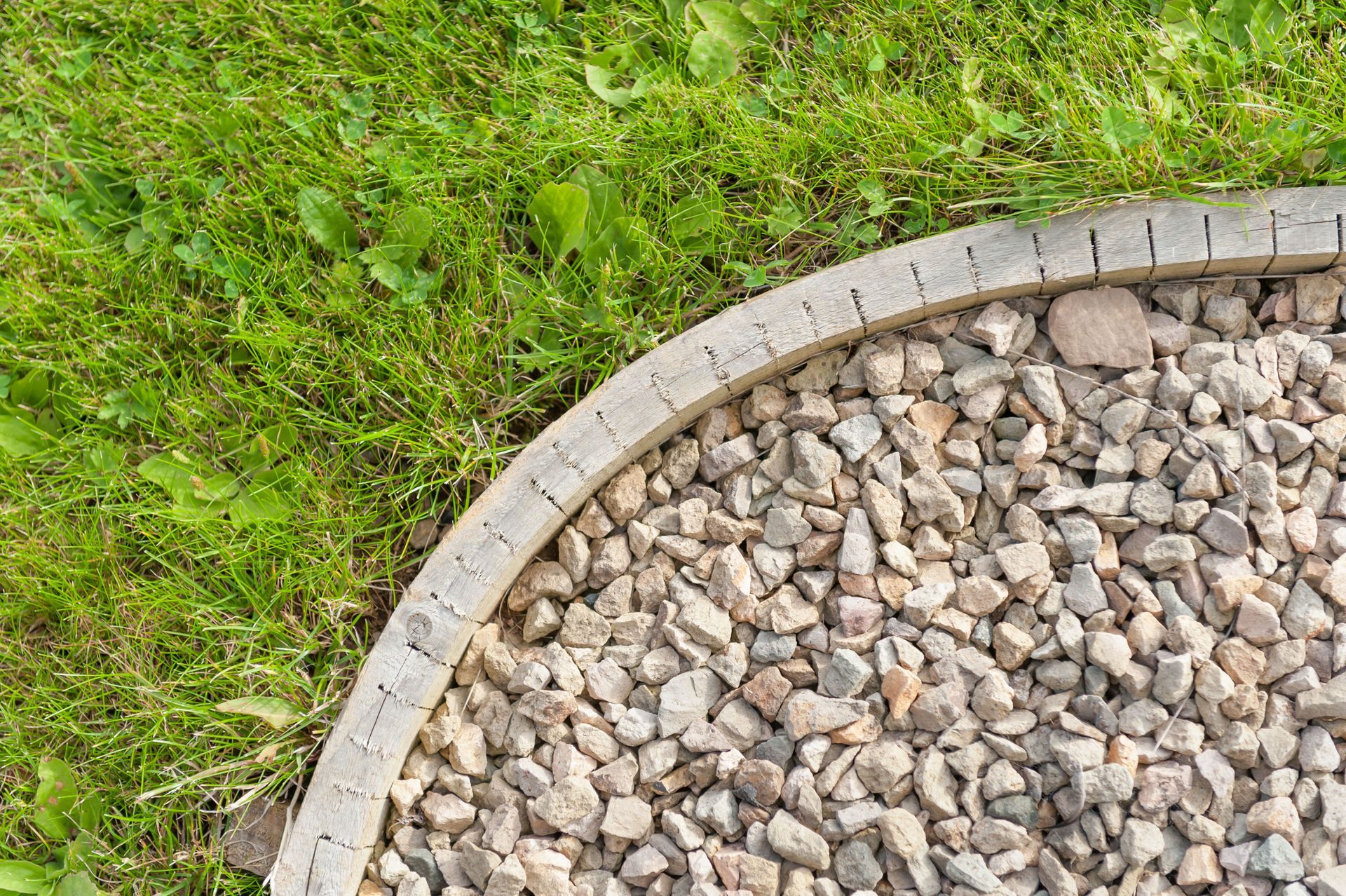
Consider how each proposed improvement contributes to the overall property rather than evaluating individual features in isolation. Fresh mulch can make planting beds look more polished, while quality topsoil can support healthier lawn and garden growth. Gravel may provide an attractive surface for pathways or other areas, and properly selected stone can complement existing hardscaping. The goal is to create a cohesive exterior that looks intentional without making the property feel overdeveloped.
Choosing Upgrades That Add Curb Appeal
Refreshing Lawns and Garden Beds
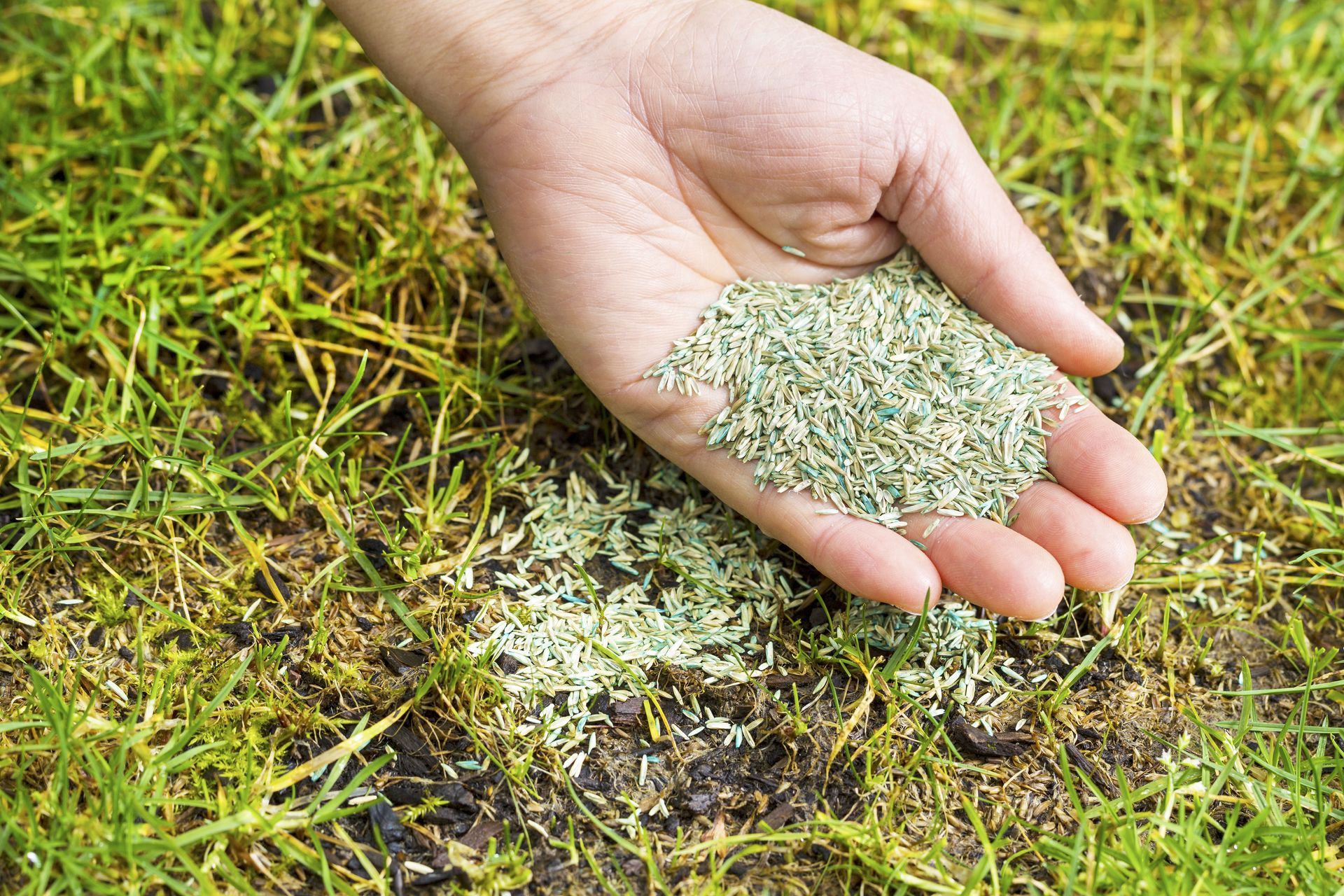
The lawn is often one of the largest visible portions of a residential landscape, so its condition can significantly influence curb appeal. If grass is thin, damaged, or uneven, reseeding may be a practical way to improve its appearance before putting the property on the market. Selecting grass seed suited to the site's soil and growing conditions can help establish a healthier, more consistent lawn.
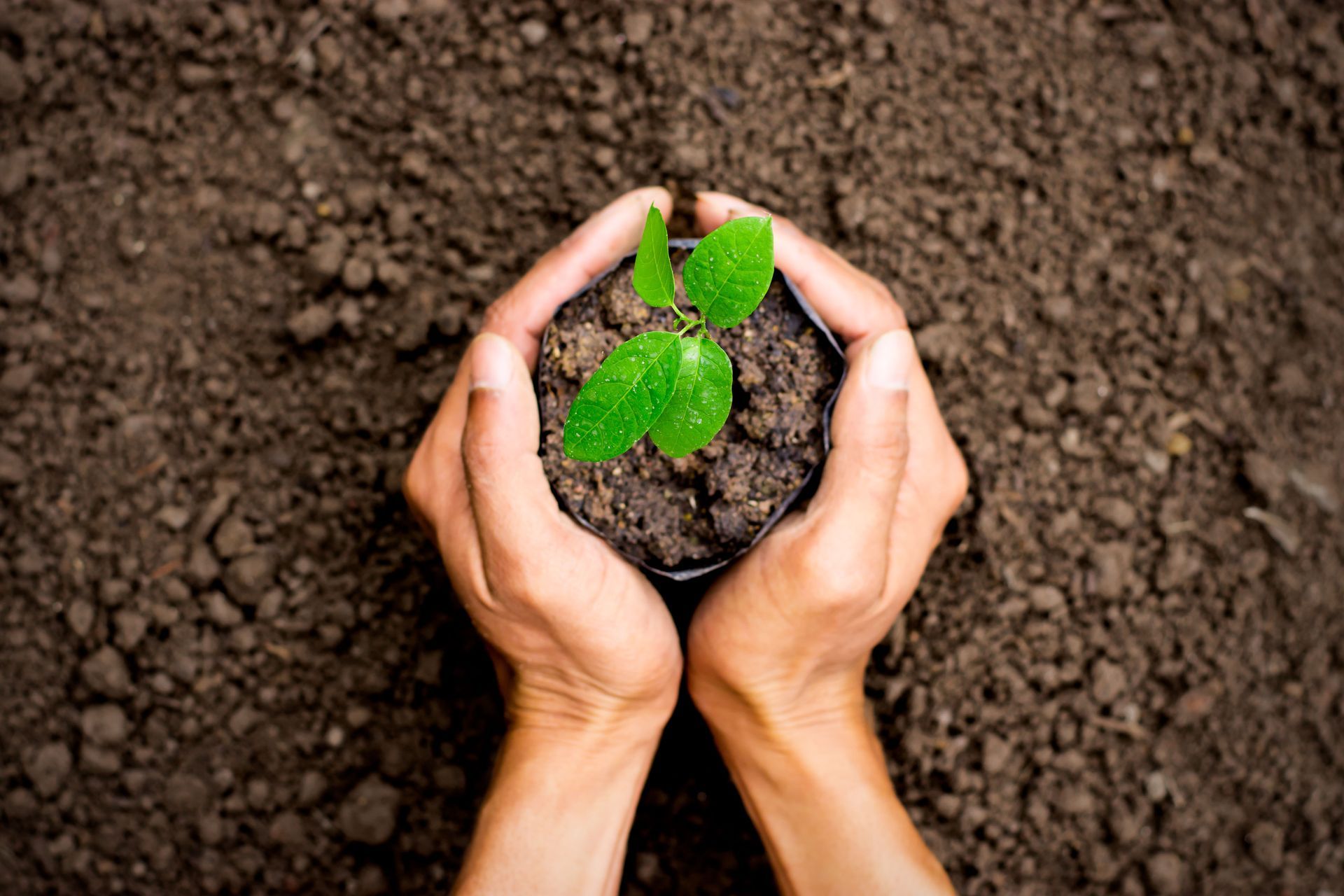
Garden beds can also benefit from relatively simple improvements. Fresh mulch can give planting areas a neat, finished appearance while helping retain moisture and suppress weeds. Topsoil and compost can support healthier plants when existing soil is depleted or unsuitable for new growth. These landscaping materials can be particularly useful when homeowners want to refresh an exterior without completely redesigning the landscape.
Improving Walkways and Outdoor Surfaces
Hardscape features can influence both the appearance and functionality of a property. Cracked, uneven, or poorly defined walkways may make an otherwise attractive landscape look unfinished. Replacing or improving these areas can create clearer paths through the yard while making outdoor spaces appear more organized. Gravel, stone, sand, and masonry products can all serve different purposes depending on the project's design and structural requirements.
Homeowners should consider existing architectural features when selecting materials for outdoor surfaces. A new walkway or patio should complement the home's exterior rather than competing with it. Neutral, durable materials are often practical choices because they can provide visual interest while remaining versatile. Even when a complete patio replacement is unnecessary, improving surrounding beds, borders, or pathways can help an existing feature look more polished.
Balancing Investment, Function, and Market Appeal
Addressing Drainage and Maintenance Concerns
Not every worthwhile pre-sale improvement is purely cosmetic. Functional landscape problems can become noticeable to buyers during a property inspection or while they are walking around the yard. Standing water, soil erosion, poorly draining areas, and damaged surfaces may raise concerns about future maintenance. Addressing these issues before listing can improve the usability of the landscape while eliminating some visible signs of neglect.
Drainage improvements may involve aggregate, pipes, fittings, or other materials selected according to the property's specific needs. Similarly, replacing depleted soil or correcting areas affected by erosion may require more than simply adding decorative features. Investing in landscaping materials that address an underlying problem can be more valuable than spending the same amount on an improvement that only changes the appearance of the yard temporarily.
Considering the Return on Your Investment
Before beginning a large landscaping project, compare the expected cost with the likely benefit to the property. Selling a home is different from designing a landscape for long-term personal enjoyment. A homeowner may love an elaborate outdoor feature, but recovering its full cost through a higher sale price is not guaranteed. Improvements should therefore be selected with the property's condition, neighborhood expectations, and likely buyers in mind.
A targeted approach can help keep spending reasonable. Refreshing mulch, repairing a pathway, improving a lawn, or replacing an unattractive gravel area may provide a stronger visual impact than undertaking an extensive redesign. Quality landscaping materials should support improvements that make the property cleaner, more functional, and easier for buyers to envision themselves enjoying.
Making Practical Choices Before Listing
Timing is another important consideration when upgrading a landscape before a sale. Some improvements require time to establish, particularly when they involve grass seed, new plantings, soil amendments, or drainage work. Starting early allows the landscape to look established when photographs are taken, and buyers begin visiting the property. It also provides time to identify and correct problems that become apparent after the initial work.
Homeowners should avoid rushing into projects simply because a listing date is approaching. A clear assessment of the property's existing condition can help determine which changes are realistic within the available timeframe. In some situations, a few carefully selected landscaping materials can provide the finishing touches needed to make the exterior more appealing without creating an unnecessarily large project.
Ultimately, upgrading the landscape before selling can be worthwhile when improvements address visible deficiencies, enhance curb appeal, or solve functional problems. The strongest projects are not necessarily the largest ones. Instead, they are the improvements that make the property appear well-maintained and ensure that outdoor spaces are attractive, practical, and consistent with the home.
For homeowners preparing to sell, the best strategy is to evaluate the landscape objectively, establish priorities, and select materials that support those goals. Fresh grass, defined garden beds, attractive walkways, quality drainage features, and well-maintained hardscaping can all contribute to a more appealing exterior. By focusing on improvements that provide meaningful visual and functional benefits, sellers can prepare their outdoor spaces for prospective buyers while keeping their investment focused and practical.
Contact Hardscrabble Supply today to upgrade your landscaping materials and create a polished, inviting exterior that helps your home stand out to prospective buyers.



Share On: