
6 Landscaping Supplies Every DIY Gardener Should Have on Hand
Every weekend gardener knows the feeling. You finally carve out a Saturday for the backyard, grab your shovel, and then discover you are missing half of what the job requires. A second trip to the store eats the morning, and the momentum you built disappears with it. Keeping the right landscaping supplies close to home turns that frustration into steady progress, and it lets you work whenever inspiration strikes.
The payoff goes beyond convenience. According to Home Guide, thoughtful landscaping may raise a property’s value by roughly 10% to 30%, depending on the quality and type of upgrades you make. That means the materials you choose are not just decorations; they are an investment in your home. Whether you are building a vegetable bed, refreshing a tired lawn, or taming a soggy corner, a few dependable materials cover most projects.
1. Topsoil for Healthy Garden Beds
Good gardens start below the surface. Topsoil is the nutrient-rich layer that feeds roots, holds moisture, and gives seedlings a strong start, which is why it belongs at the top of any supply list. If your yard has compacted clay or thin, sandy ground, adding screened topsoil is the quickest way to improve growing conditions without starting over. Spread a few inches across a new bed, blend it into the existing ground, and your plants will establish deeper roots faster. Topsoil also helps when you need to fill low spots, level a planting area, or repair patches left behind by a project. Because it is heavy and bulky, many gardeners find it easiest to order a larger amount at once and keep the extra covered for future touch-ups. These landscaping supplies pay you back every season, since healthier soil means fewer struggling plants and less replanting. Squeeze a handful in your fist to check quality; good topsoil should crumble easily rather than form a hard clump.
2. Mulch for Moisture and Weed Control
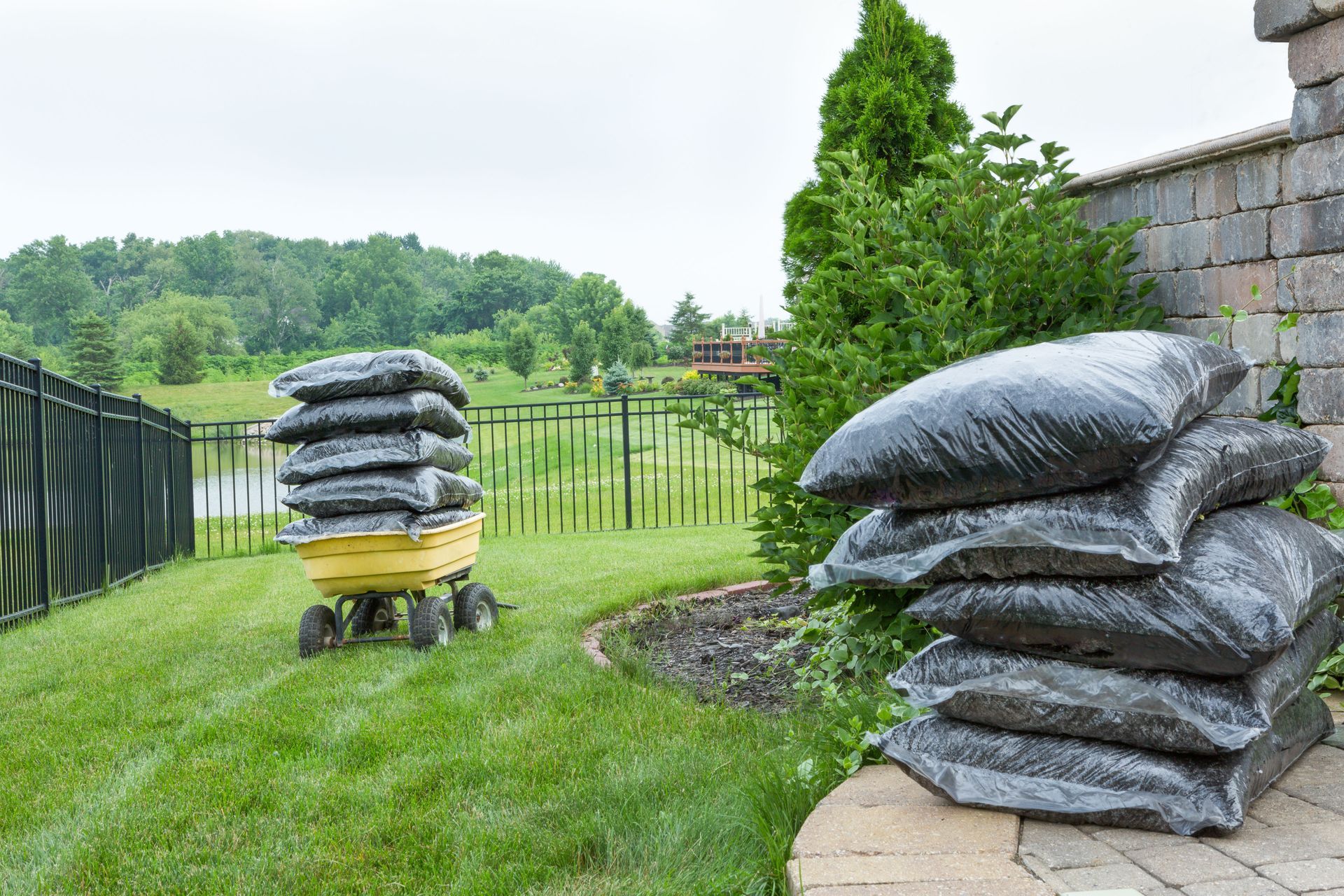
Mulch is the finishing layer that makes a garden look polished and work harder. It also gives you a clean backdrop that makes flowers and foliage stand out. Spread two to three inches around shrubs, perennials, and vegetable rows, and it will slow evaporation, keep roots cooler in summer, and suppress weeds that would otherwise compete for water. Bark, wood chips, and organic compost are all common choices, and each breaks down at its own pace to feed the soil beneath. Fresh mulch also sharpens a bed’s edges and gives the whole yard a cared-for appearance, which matters if you ever plan to sell. Keep it a few inches away from tree trunks and stems so moisture does not collect against the bark. Refreshing the layer once a year is usually enough, so having a reserve on hand makes spring cleanup quick. Mulch is also one of the most budget-friendly landscaping supplies you can buy for changing how a garden looks and performs.
3. Grass Seed for Lawn Repair and Renewal
Even a diligent gardener ends up with bare patches. Pets, foot traffic, drought, and winter damage all leave scars on a lawn, and quality grass seed is the simplest cure. Keeping a bag stored in a cool, dry place means you can fix problem spots the moment you notice them rather than waiting until weeds move in. Premium blends are formulated for different soil types and climates, so choose one that matches your sunlight and drainage conditions. Loosen the surface, scatter the seed, cover it lightly with topsoil, and keep it consistently damp until sprouts appear. Water lightly each morning, since seed that dries out early will struggle to sprout. Overseeding thin areas each fall also thickens the turf and crowds out unwanted growth. Reliable landscaping supplies like grass seed let you maintain a lush yard in small, manageable steps instead of facing a full renovation every few years.
4. Gravel for Paths and Garden Features
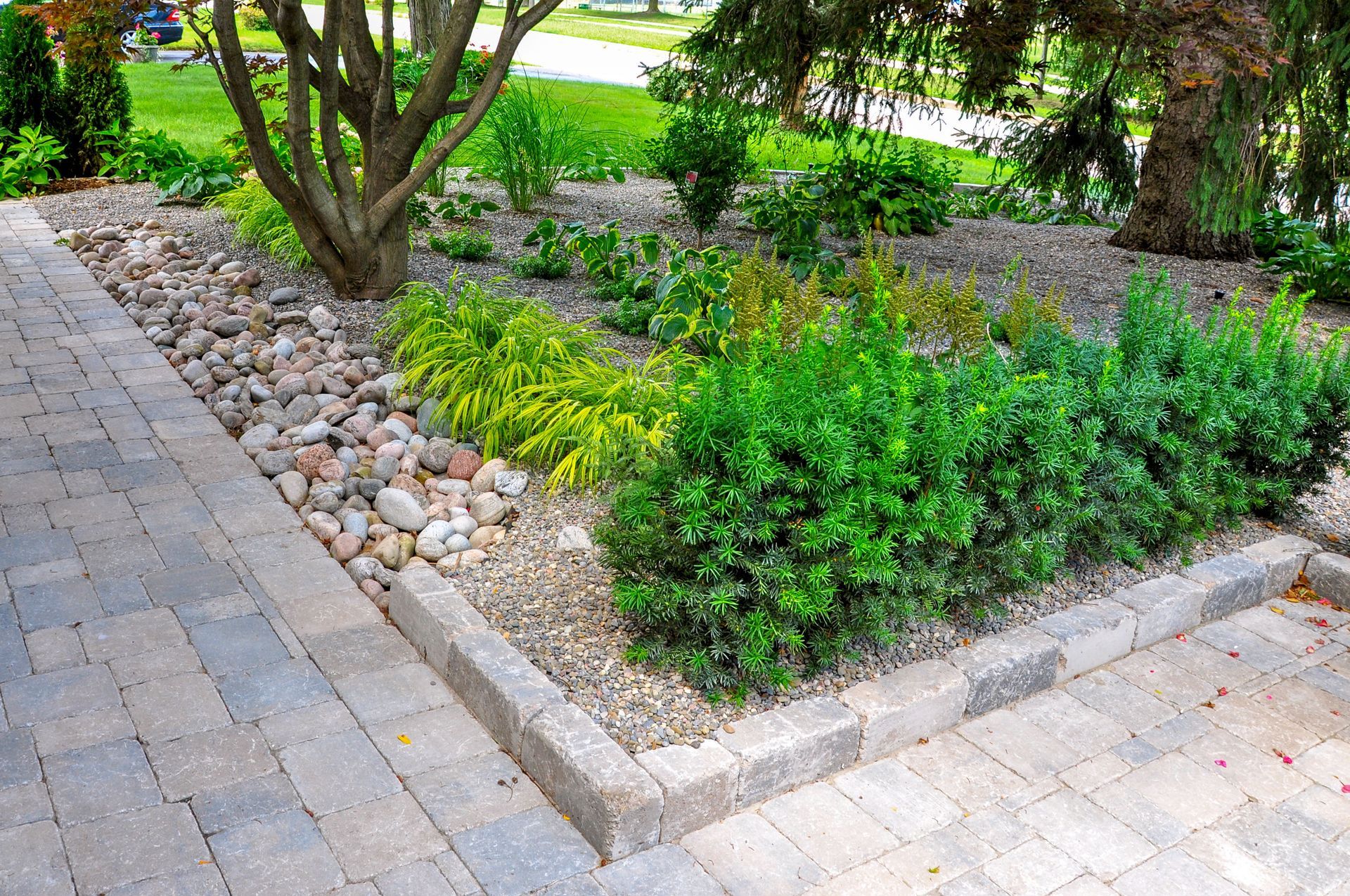
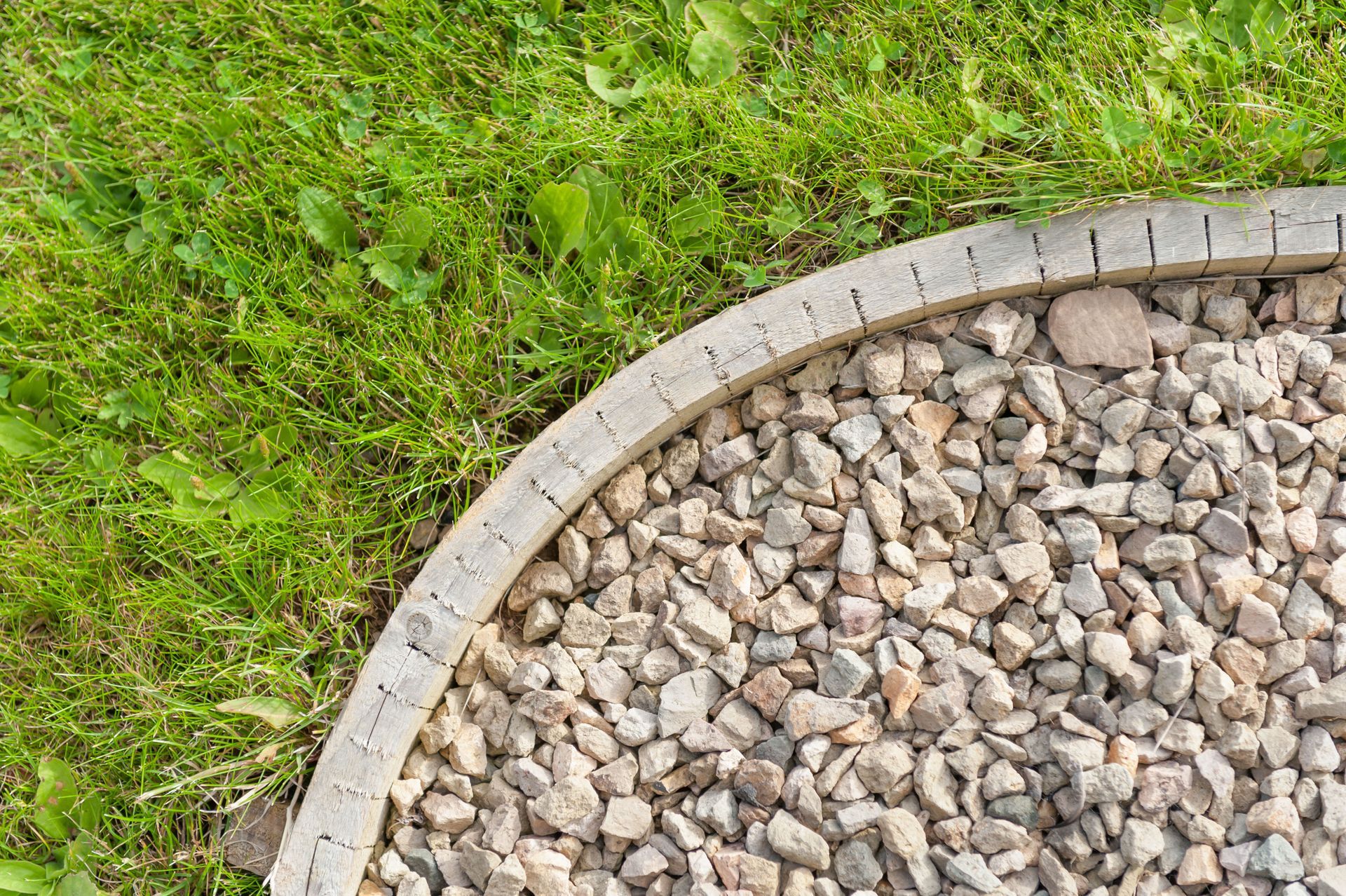
Gravel is one of the most versatile materials a DIY gardener can own. It makes tidy walkways between beds, stable pads beneath benches or planters, and attractive borders that keep soil and mulch where they belong. Options such as crushed bluestone, washed gravel, and river rock come in different sizes and colors, so you can match the look of your home and garden. Smaller stones feel comfortable underfoot, while larger river rock works well as a decorative accent around a downspout or a water feature. Gravel also drains freely, which keeps paths from turning muddy after a storm. Spread it over a level, compacted base, rake it smooth, and top it up occasionally as stones settle. A small pile near the garage makes quick fixes easy and keeps your landscaping supplies ready for whatever project comes next. Many homeowners also use it as a base layer under patios and sheds for added stability.
5. Drainage Materials for Wet Spots
Water is a gardener’s best friend until it pools where it should not. Standing water drowns roots, breeds mosquitoes, and erodes soil along slopes and foundations. Keeping drainage materials such as pipes, fittings, and aggregate available lets you respond before a soggy corner becomes a permanent problem. A simple trench filled with gravel and perforated pipe can redirect runoff away from beds and walkways, and a gravel-filled dry well can absorb heavy downpours near a downspout. Planning ahead is easier than repairing damage after a storm, so walk your yard during the next rain and note where water collects. Then you can gather the right components in advance. Good drainage protects everything else on this list, because even the best topsoil and mulch struggle when the ground stays saturated. Proper water management is the quiet foundation of every healthy landscape. A quick checklist helps: look for pooling after rain and damp patches near foundations.
6. Sand for Leveling and Soil Improvement
Sand is one of those landscaping supplies that rarely gets much attention, yet it quietly supports many outdoor projects. A layer of it creates the smooth, level base that pavers and stepping stones need to stay put, and it can be swept into joints to lock them in place. In heavy clay soil, working in coarse sand can improve drainage and make the ground easier to dig. It is also handy for filling small dips before reseeding and for creating a stable bed under a patio or walkway. Because sand comes in different grades, tell your supplier what you are building so you get the right one. If your plans grow into a retaining wall or patio, masonry supplies such as bricks, pavers, cement, and mortar are a natural next step. Keeping sand nearby means weekend projects move forward without a last-minute run for materials.
Stocking your own landscaping supplies takes a little planning, but the rewards show up in every part of your yard. Topsoil feeds your plants, mulch protects them, grass seed repairs your lawn, gravel creates structure, drainage materials manage water, and sand keeps hardscape projects level. Together they let you tackle most tasks without wasting time on repeated shopping trips. Before you buy, measure your beds and paths so you order the right volume; the cubic yards calculator on the Hardscrabble Supply website can help with that math. Delivery is available six days a week, which is a relief when materials are heavy. Visit Hardscrabble Supply today and get everything your next garden project needs.





Share On: